


In 2025, more than 127,870 road users were involved in accidents, according to GOV.UK. Yet 49% of drivers didn’t know they needed to report an accident to their insurer. Here’s what to do after a crash, bump or scrape, and how car insurance can help.
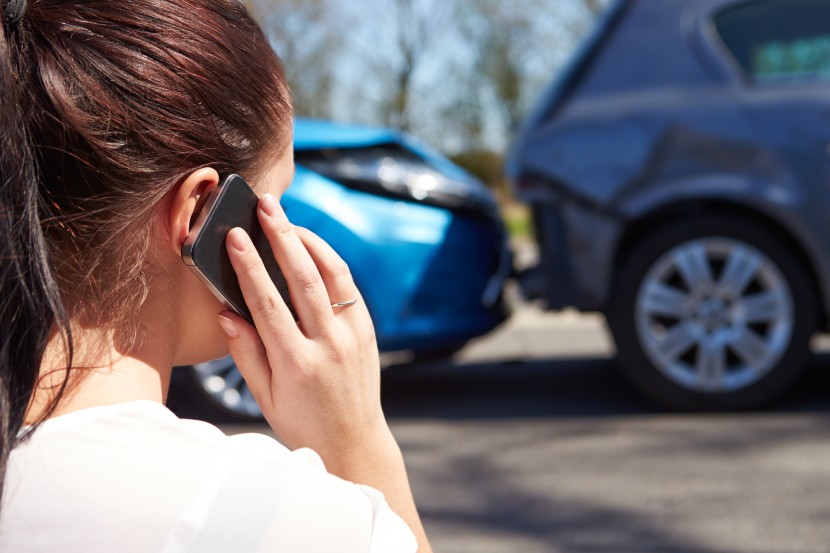
Key takeaways
- Stay calm and check for injuries first. Make sure everyone is safe and call 999 if emergency help is needed.
- Exchange details and gather evidence. Get the other driver’s information, take photos, and record as much as you can about what happened.
- Avoid admitting fault at the scene. Don’t apologise or make assumptions about who caused the accident, let insurers investigate.
- Report the accident to your insurer, even if you don’t claim. Small bumps and no-claim incidents still need to be disclosed, as they could affect your cover later.
- Keep records and act quickly. Reporting promptly and keeping evidence can help your claim move more smoothly.
What do I do if I have a car crash?
Here's what you should do if you’re involved in a road traffic accident:
Check for injuries
Check yourself before checking any passengers or third parties. Make sure it's safe to leave the car before you do, though. It's worth noting if everyone involved appears unharmed.
Call 999 if necessary
You should call 999 if you need immediate help. For example:
- Someone is injured
- There's debris or vehicles blocking the road
- An animal has been killed or injured, such as a dog or farm animal
- The other person drives away and you don't have their details
- You suspect the other person is driving without insurance
- The other driver is under the influence of drugs or alcohol
- The other driver or someone at the scene is being aggressive or threatening
- You suspect they crashed into you deliberately - potentially for a crash-for-cash scam to make a fraudulent insurance claim
If you don't need immediate help, call 101 instead.
Get everyone to safety
Unless they're injured and can't be moved, try to move all passengers away from the car and somewhere safe.
If you’ve crashed on a motorway, try to reach the nearest emergency refuge area where possible. These are marked with blue signs and an orange SOS phone symbol. If you can’t leave the vehicle safely, stay inside with your seatbelt on, switch on your hazard lights and call 999.
For more guidance on motorway breakdowns and emergency refuge areas, see our motorway driving guide.
Exchange details with the other person
You should give your insurance details to the other driver, and they should give you theirs.
According to our research, almost half (45%) of those who have been involved in an accident in the past admitted that they didn't take the other driver's details.
Even if neither of you want to make a claim, it's important to have all the information. This includes:
- Car insurance policy numbers
- Number plates of the vehicles involved
- Drivers' names, addresses and phone numbers
- The details of the registered keeper, if they differ from the driver
Record details of the accident scene
Take photos and videos as well as written notes. Our research found that 2 in 3 (61%) drivers didn’t take photo or video evidence of the accident scene.
This is key to help your claim. You should try and gather information such as:
- The time and date of the accident
- The weather and traffic conditions
- The quality of the road
- Any road markings or signs
- What happened in the accident - you could even include sketches
- The vehicle type, colour, make, model and registration
- An estimate of the speed the other vehicle was travelling and in what direction
- The other car’s condition
- The number of passengers in the other vehicle
- Details about the driver, such as contact information and a description
- Any witnesses or CCTV cameras
- Any damage to vehicles or property, as well as any injuries
- Any potential dash cam footage that could be used as evidence
Don't apologise - or say anything that sounds like you're accepting blame
When you've just had an accident, it's easy to blurt out 'sorry'. But even a quick apology could be used against you later, even if you didn't mean to admit fault. It's a common slip-up: our research shows nearly 1 in 3 (32%) people say sorry after an accident.
Don’t try to decide who’s to blame. Even if it seems obvious, your insurer will investigate and work out the details. Fault isn’t decided at the scene.
Instead, keep things neutral and focus on swapping details. Consider saying:
- 'Let's swap details and let the insurers sort it out.'
- 'I'll give you my details, and we can let the insurers handle the claim.'
- 'Let's make sure we have all the information we need.'
- 'I don't think we should talk about who's at fault here.'
Your insurer will figure out who's responsible. Don't try to settle blame yourself.
Report the accident to your insurer
Even if you don't want to make a claim, you should still let your insurer know that you've been in an accident.
1 in 2 (50%) drivers didn't alert their insurance company at the time of the incident. Even if it's just a small bump, you should tell your insurer.
Almost 1 in 4 (23%) drivers admitted that they didn't report a small bump to their insurer.
If you don't do this you risk:
- Voiding your insurance policy
- Steeper insurance prices
- Not being able to find insurance at all
Why do I have to report a car accident?
It’s a legal requirement to stop after an accident, no matter how minor it is. You can find more information on this in the Road Traffic Act.
Nearly half (49%) of UK drivers didn't know they should report any accident to their insurance company. 6% admitted that they didn’t declare the accident to their insurer.
If you're unable to speak to the driver of the other vehicle - for instance if you hit a parked car with no driver present - you need to stop, leave your details and report it to the police.
Driving off after an accident counts as a hit-and-run accident. This could lead to a fine, points on your licence or a driving ban.
Also, if you don’t report the accident, someone could claim against you later.
Let's say you bumped into someone’s parked car and drove off. You may have been caught on CCTV, or someone might have seen you and noted your reg plate.
Do I need to report the accident to my car insurance company?
Yes, you should report the accident to your insurer even if you’re not planning to make a car insurance claim.
This is because the other driver might decide to make a claim without you knowing.
And, regardless of whether you claim, your insurer needs to reassess your risk on the policy. This is likely to see your car insurance costs go up next year.
"A no-claim bump may seem insignificant, but it’s still important to report it to your insurer. Incidents are recorded on the Claims and Underwriting Exchange (CUE), and failing to disclose them could put your cover at risk if they’re discovered later."What our motor insurance expert says


How long do I have to report a car accident to my insurance company?
Report your accident to your insurer ASAP - ideally within 24 hours.
Missing the deadline could affect your claim. Most insurers have a time limit, so check your policy details to be sure.
When should I report an accident to the police?
You may need to report an accident to the police if:
- Someone is injured
- You didn’t exchange details at the scene
- You believe a crime has taken place
Call 101 (the non-emergency police number) to report it within 24 hours.
How long after a car accident can I claim on my car insurance?
If you want to claim for personal injury, you usually have up to 3 years to make a car insurance claim. This depends on the insurer though, so check your policy wording.
In general, the sooner you make a car insurance claim, the better. This lets your insurer investigate the accident while the relevant facts are still fresh. This should help speed up your claim.
What happens after you report the accident?
What happens next depends on who is at fault, your policy cover and the extent of the damage.
Your insurer will assess whether your car can be repaired or if it's a write-off. Depending on your policy, they may arrange an approved repairer and courtesy car.
You may need to pay your excess when making a claim, although you may be able to recover this if the accident wasn't your fault.
Making a claim can affect your no-claims discount, even if you weren't responsible for the accident. This could mean your premium rises, even when the accident wasn't your fault.
Fault isn't always clear-cut, and some claims can take time to resolve, even when you believe the accident wasn't your fault.
*Unless otherwise stated, research carried out by One Poll on behalf of Confused.com of 2,000 UK drivers between 14th and 18th July 2025.



 cookie usage