


Since 2022, the Highway Code has put extra responsibility on drivers around vulnerable road users.
In short, it means that drivers must now give way to pedestrians who are crossing, or waiting to cross, the road they're turning into or out of.
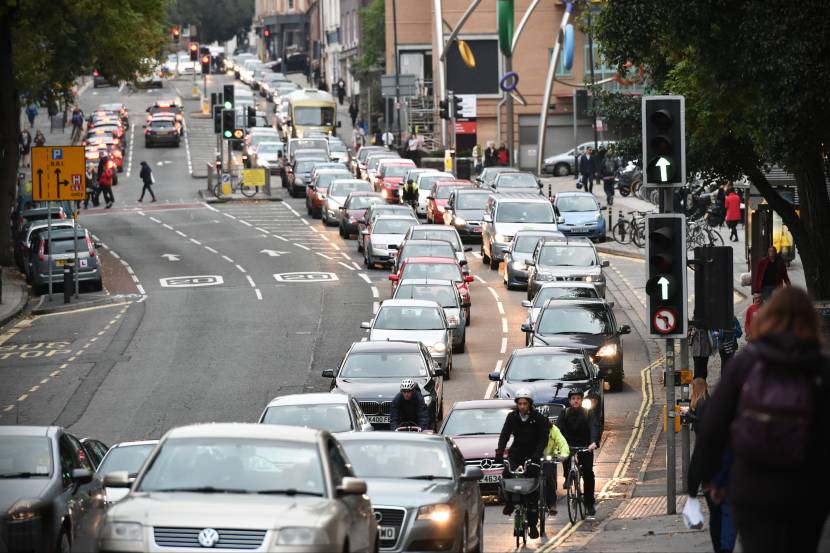
Key takeaways
- Rule H1 of the Highway Code sets out a hierarchy of responsibility. Drivers can cause the greatest harm, so they bear the greatest responsibility to protect others
- Rule H2 tells drivers to give way to pedestrians crossing or waiting to cross at junctions
- Rule H3 requires drivers to give priority to cyclists and horse riders on roundabouts
- Remember: When overtaking a cyclist or horse rider, you should give at least 1.5 metres of space at speeds up to 30mph. That gap widens more at higher speeds
- The Dutch reach refers to opening your car door with your far hand. This is now the recommended method to avoid hitting cyclists
What are the 2022 Highway Code changes?
Changes to the hierarchy of road users
The Highway Code Rules H1, H2, and H3 set out a variety of rules for drivers, with a particular focus on Highway Code vulnerable road users such as pedestrians, cyclists and horse riders.
It’s important that all road users:
-
Are aware of The Highway Code
-
Are considerate to other road users
-
Understand their responsibility for the safety of others
Neglecting to know the Highway Code could be used against you if you have an accident and it's found to be your fault. You might also face an expensive car insurance claim and maybe even points on your licence.
Rule H1 establishes that greater capacity to cause harm carries greater responsibility to prevent it. Drivers, controlling vehicles that can kill, therefore bear the greatest responsibility among road users to protect others.
Give way to pedestrians crossing at junctions
If pedestrians are crossing or waiting at a junction, drivers should give way and allow them to cross. This is set out in Rule H2 of the Highway Code.
When turning into a road, if you notice a pedestrian waiting to cross, you should allow the pedestrian to cross before turning into the road.
If you’re driving to a junction and you notice a pedestrian waiting to cross, you have to allow them to cross before you reach the junction.
Motorists, motorcyclists and cyclists must give way to pedestrians at a zebra crossing. This rule applied before the changes, but the Highway Code has emphasised this further in the 2022 update.
Motorists and motorcyclists must give way to cyclists on a parallel crossing too - these are similar to zebra crossings but with a cycle lane.
Overtaking a vulnerable road user if you’re driving or cycling
If you're driving, you can overtake a horse rider or cyclist if they’re travelling under 10 mph. This is provided that the lanes are marked with a double white line and that it’s safe to do so.
Passing distances also changed:
-
If you’re overtaking a cyclist at 30 mph, you should leave at least 1.5 metres (5 feet). Give cyclists even more space if you’re travelling at a higher speed.
-
If you’re overtaking riders or horse-drawn vehicles you should leave at least 2 metres (6.5 feet). Horses can spook easily, so you shouldn’t pass them at speeds over 10 mph.
-
Allow 2 metres (6.5 feet) of space between you and any pedestrian that’s walking in the road - for example if there’s no pavement.
You shouldn’t overtake unless you’re able to maintain this distance while passing.
The British Horse Society's Dead Slow campaign recorded 2,810 road accidents involving horses in 2025, with 59 horses killed and 86 injured by motorists - a reminder of why these passing distances matter in practice.
Driving on a roundabout with cyclists, riders or horse-drawn vehicles
The Highway Code update says if you’re driving on a roundabout, you should give priority to:
- Cyclists
- Horse riders
- Horse-drawn vehicles
Cyclists, horse riders and horse-drawn vehicles should stay in the left-hand lane of the roundabout. This applies even if they’re going across or around the roundabout.
People driving a car or riding a motorbike should:
- Not attempt to overtake a cyclist or rider in their lane
- Allow cyclists or riders to move across their lane as they travel around the roundabout
When entering a roundabout, drivers shouldn’t cut across vulnerable road users who are continuing around the roundabout in the left-hand lane.
This is set out in Rule H3 of the Highway Code. To cut this down to basics: wait for the cyclist or rider to pass the junction before turning.
Leaving your vehicle safely
The Highway Code is encouraging motorists to use a new technique when leaving a vehicle.
When you’re parked and about to leave the vehicle, you should open the door using the hand opposite to the door you’re opening.
For example, if you were opening the door on your right, you’d use your left hand to open it.
This technique is sometimes called the ‘Dutch reach’.
The technique makes drivers turn their head to look over their shoulder and behind them. This means they’re more likely to see a cyclist, motorcyclist or pedestrian before they open the door.
Electric car charging rules
The Highway Code has also brought in new rules for electric cars.
Drivers should park closely to the charging point, making sure that the charging cables don’t create a trip hazard.
While your EV is charging, you should display a warning sign if you can.
Once you’ve finished charging, return the cables and connectors so it’s not an obstacle for other road users.
Vulnerable road users aside, it's worth brushing up on other Highway Code basics too - like knowing when you can park on yellow lines - since staying on the right side of the rules helps keep both you and your insurance premium in good shape.
[$article-car-insurance-cta]


 cookie usage