


Condensation can make it harder to see through your car windows. Here’s what causes it and how to clear your windows before you set off. 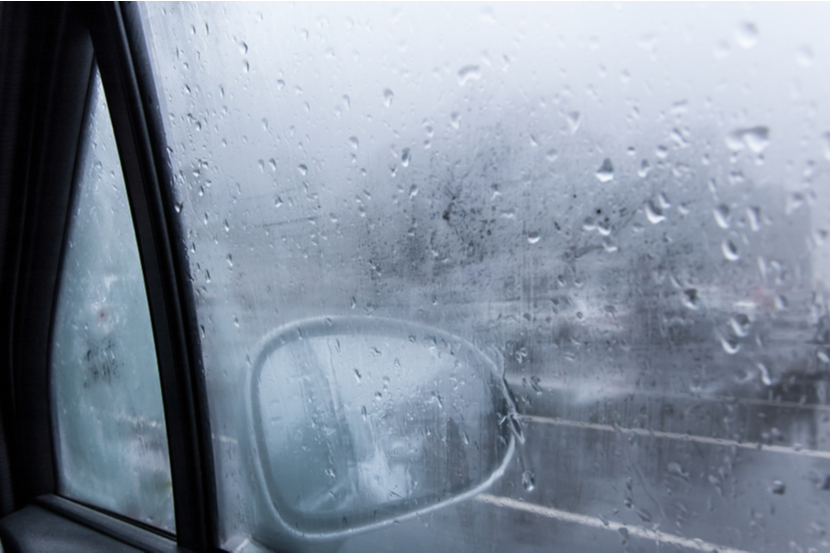
Key takeaways
- Condensation inside your car happens when moisture in the air meets a cold surface. Breath, damp clothes, wet umbrellas and leaks all add moisture.
- Overnight condensation happens when your car cools quickly once parked. Moisture inside the cabin then settles on the windows.
- Condensation on the outside of your windows works differently. It’s called dew, and it forms when moisture in the air condenses on cold glass.
- Frozen condensation inside your windscreen needs different treatment. Don’t use a scraper. Use the heater and air con together instead.
- Silica gel bags and other moisture absorbers can help cut moisture in your car between trips.
Quick condensation busting tips
To stop condensation in your car, you need to:
- Set your blowers to full and switch the temperature to cool to start with
- If you have A/C, switch it on to keep the air dry
- If your car has a heated windscreen, switch it on
- Increase the temperature until the windows are clear
If your car’s steamed up while parked, make sure you’re inside it when clearing the windows. Leaving it running and walking off makes it an easy target for thieves.
It might be worth investing in gadgets such as a reusable car dehumidifier, they usually cost around £5 and can be useful on chilly mornings.
What causes condensation in my car?
Condensation inside your car happens when the temperature inside your vehicle is different from the outside.
Warm air from inside the car meets the cold windscreen and turns water vapour into water.
This causes windscreen fog that impedes your vision.
When you're driving, yours and any passengers’ breath can cause condensation, but it also builds up when the car is parked overnight, which is why condensation in your car overnight is so common.
A blocked pollen filter, which cleans air entering the car, could be another possible cause.
Do wet items in the car cause condensation?
Yes - leaving damp and wet things in the car can also contribute to condensation inside your car.
A wet dog towel or a soggy umbrella creates moisture in the air as it dries out, giving you more mist.
Remember to always take them out when you leave the car.
You should also check the car to see if there’s any moisture pooling. If there is, there might be a leak somewhere in the car that you need to fix.
If you need to get your car fixed, search for your local repair garage.
How do I clear condensation from my car windows?
Here’s how to reduce and clear condensation on your car windows:
- Clean your car's windscreen inside and out. Use a cleaner that's designed for car windows, and polish them with a clean microfibre cloth. Newspaper may work for this too.
- Wash your car to get rid of dirt particles that attract moisture.
- Get rid of any damp items.
- If your car’s parked somewhere secure, like a locked garage, leave a window slightly open for a few hours.
You could also leave a silica gel dehumidifier bag in your car overnight. It can help cut condensation by morning. Don’t leave plug-in electrical devices running in your car.
What can I use to get rid of moisture in my car?
There are several ways you can get moisture out of a car:
- Silica gel dehumidifier bags
- Cat litter in tights
- Silica gel pellets
- Open your car windows slightly if your car’s parked somewhere secure
Moisture absorber bags are filled with silica gel and sit on your dashboard. Some manufacturers claim their bags absorb over 400ml of moisture.
You could also try stuffing an old pair of tights or socks with cat litter, as it is designed to absorb moisture and unwanted smells. So it may help, and it’s a low-cost option.
Silica gel pellets may absorb more moisture than cat litter, but they can cost more.
Letting the car air out when you can might also help. If it’s dry and your car’s parked somewhere secure, like a locked garage, you could leave the windows slightly open for a while.
You should make sure your windscreen is fully clear before you set off.
Why does my car get condensation overnight or when parked?
If you’re finding that your car windows are fogging up overnight, don't worry. There’s a simple explanation for car condensation when parked. Cars cool quickly once parked, so any moisture from inside the car condenses on the windows as the temperature drops.
Moisture from inside the car could be from your own breath while you drive, damp clothing, or even wet shoes.
But what can you do to get rid of it before your morning commute or daily school run? Let's dive in:
-
Switch on the heater and the air con: Warm air helps lift moisture off the glass, and the air con helps dry the air.
-
Open the windows briefly: If weather allows, opening the window helps reduce condensation by flushing out warm, moisture-heavy indoor air and replacing it with drier outdoor air. But be aware: Never leave your car windows open when the car is unattended.
-
Use the rear window demister: It clears the back window while the heater and air con clear the front.
-
Don't wipe windows with gloved hands: This smears moisture rather than removing it, so keep those fuzzy mitts away.
If your car is parked in a safe location - like a locked garage - you could even try leaving a window slightly ajar. This lets air circulate and can reduce moisture build-up overnight.
What causes condensation on the outside of my car windows?
Don't get dewy-eyed, but condensation doesn't just stop when it's fogged up the inside of your car - it's coming for the outside of your windows too.
Condensation on the outside of car windows, better known as dew, happens when warm, damp air comes into contact with the chilled surface of the outer glass. It then cools rapidly, and because cool air can't hold as much moisture as warm air, the excess water vapour condenses into liquid water droplets on the window. This is particularly common in summer and autumn on clear nights when the glass radiates heat quickly.
But how can we prevent it? Luckily, dew clears naturally as the glass warms, but if you're looking to speed up the process, using the front and rear demisters can help move things along.
It's worth noting that external condensation doesn't mean there's anything wrong with your car. Dew is often mistaken for a leak or an interior humidity problem when it's simply outdoor weather conditions. So don't worry - dew might be frustrating, but it's just mother nature doing her thing.
How do I deal with frozen condensation inside my windscreen?
Frozen condensation inside the windscreen happens when internal moisture condenses on the windscreen overnight and temperatures drop below freezing. That condensation can then freeze on the inside of the glass, leaving ice on the inside of your windscreen, which is a different problem than external frost. Brrr.
If you're ready to de ice your car with a scraper, hold your horses. You should never use a scraper on the inside of the windscreen, as it can damage the glass. Instead, turn the heater up gradually and aim it at the windscreen, with the air con on to get rid of moisture. Have the rear demister running at the same time, and your car should be well on its way to getting rid of frozen condensation.
To help prevent this happening again, cut the moisture in your car overnight. Use silica gel bags or the cat litter hack from earlier.




 cookie usage