


The UK aims to be carbon net zero by 2050. In other words, by then any pollutants we release into the atmosphere should be counteracted by carbon-offsetting, helped along by across-the-board green energy tariffs.
Switching energy providers
If you're looking for certainty on your energy bills, compare energy deals to see fixed deals that are currently available.
What is renewable energy?
Renewable energy sources don’t run out and are naturally replenished, unlike fossil fuels such as coal or oil, and by-products such as petrol and diesel. Wind farms and solar panels are the most well-known examples of renewable energy sources.
“Green” energy
Green energies, which are included within the ‘renewable’ umbrella, differ from standard renewable solutions. They emit no pollutants or harmful gases into the atmosphere, land or seas during the generation process.
For example, burning wood is renewable because trees can be replanted, but it produces carbon dioxide (CO2). Pure green sources (like wind and solar power) leave no harmful emissions or by-products behind.
What are green energy tariffs?
Electricity is electricity regardless of whether it comes to you via a green energy tariff or not. In 2025, 44% of all electricity came from wind, solar, bio-energy and hydroelectric sources according to the National Energy System Operator’s 2025 review. The rest came from a mix of nuclear power, gas, and imported electricity.
Green energy tariffs make use of both green and renewable energy, meaning your supplier certifies that 100% of the electricity you consume is matched by an equivalent amount of clean energy generated somewhere on the national grid over the year. Also, a greater proportion of supplier profits are reinvested in green energy production projects.
The focus on electricity doesn’t mean there’s no such thing as a ‘green’ energy tariff that offers gas. Indeed, some suppliers offer a ‘green’ gas option as a standalone or dual fuel tariff. With these tariffs the supplier usually offsets the carbon dioxide produced through gas extraction and distribution via schemes such as investing in more efficient biogas production sites.
What are the sources of green energy?
There are several sources of green and renewable energy, including solar, wind and water.
Fortunately for us, the UK is blessed with an abundance of a couple of these, and gets enough sunlight to make the other an important contributor to green energy.
Here’s a breakdown of the main sources of green energy:
Wind power
Wind power is the most prominent source of green energy, contributing 29.7% of the UK’s total electricity output in 2025. There are 2 types of wind power - onshore and offshore wind farms. Electricity is produced when airflow causes powerful turbines to rotate. In late 2025, the record for maximum energy generated by wind was broken twice within a month.
Solar power
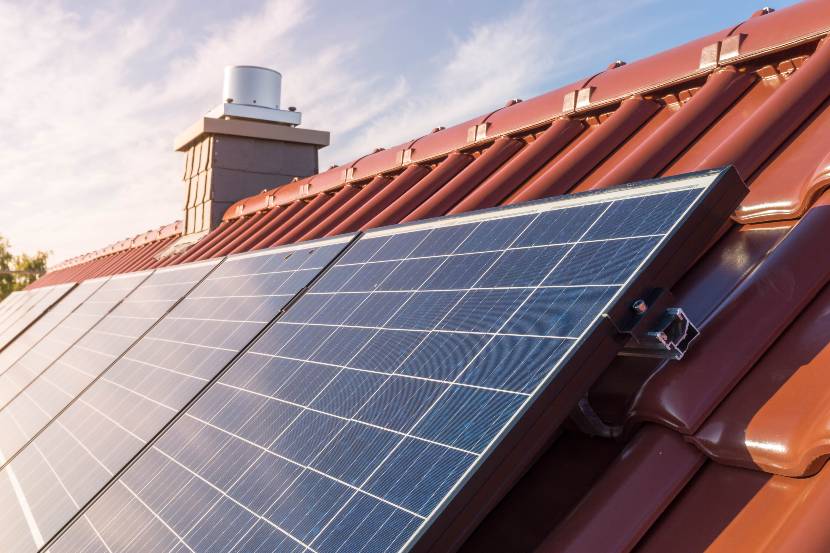
Solar power generates electricity by capturing energy from the sun’s rays when they hit solar panels. The panels can be found anywhere from vast arrays in fields to the roofs of commercial and domestic properties.
According to the National Grid, solar power is the fastest growing form of green energy. It was contributing 6.5% to the grid in 2025, but is expected to make more of an impact due to technological advances. This has already seen output rise by 30% in a year.
If you're concerned about the cost of installing solar panels, you can use a service like Solarplanet to compare solar panel installation quotes in your area.
Hydropower
Hydropower contributes around 1.6% to the National Grid by converting the gravitational energy held in water into mechanical energy. It does this by using pipes fitted with turbines, which spin rapidly to generate electricity. Hydropower plants are found by rivers, reservoirs and dams.
Tidal power
Wave and tidal power is an offshoot of hydropower, being treated as a separate green energy source from hydropower due to the challenges facing pioneers in this field.
Being an island nation, the UK is ideally suited to explore this kind of green energy source. For a start, the UK has around half of Europe’s tidal energy resource.
Also, tides are far more predictable than wind power, while waves tend to be stronger in the winter months when power demands are highest. According to the government, this type of green energy could contribute up to 20% of the UK’s electricity demands.
Bioenergy
Bioenergy plants process organic matter. This includes:
- Wood
- Vegetable crops
- Agricultural waste
- Human waste
- Food products
- Vegetable oils
- Animal fat
Some matter is burned to produce electricity, while others generate gas through what’s known as anaerobic digestion. This is where micro-organisms consume the matter, producing a biogas that’s rich in methane and CO2.
Bioenergy contributes 12.1% to the UK’s total renewable energy generation.
Geothermal energy
This form of green energy can be captured by tapping into superheated water and steam trapped in aquifers, natural springs and deep rocks below the Earth’s surface.
Although it’s been used as a source of energy for millennia, spawning towns such as Bath, the potential of geothermal energy is in its infancy. This is because drilling to gain access to springs is still too expensive.
Are green energy tariffs more expensive?
Green energy tariffs rise and fall in line with conventional energy tariffs because they’re reliant on the National Grid to deliver the electricity.
Fixed-rate green or standard deals can be cheaper than variable rate packages, primarily because suppliers are keen to lock customers into a contract lasting a year or so, rather than risk you jumping ship.
Green energy tariffs are no longer automatically more expensive than standard tariffs thanks to the plummeting cost of wind and solar generation. While all domestic bills include levies to support net-zero initiatives, choosing a green tariff allows you to support clean energy without necessarily paying a premium.
Lower green energy production costs
Technology also plays a role to play in keeping the cost of green energy down. Renewable energies are not as expensive to produce when compared with the high cost of mining and processing coal, oil or gas.
It may cost a sizable sum to build renewable energy plants, but once they’re up and running subsequent outlays are lower. This is because they tend to use a readily-available renewable source of energy, such as sunlight, waves or wind.
How do I know if my energy is green?
The easiest and most reliable way to tell whether your energy is green is to look up your supplier's fuel mix and check your own tariff.
Suppliers are required to share their fuel mix as part of the Fuel Mix Disclosure. This legal requirement details how much energy comes from renewable sources and which sources they come from.
How much might I save if I switch to a green energy tariff?
The amount you could save varies depending on the deals on the market. In a general sense, as of January 2026, you could save around £260 if you haven't switched or fixed your tariff in a while according to Uswitch.
It's worth running an energy comparison to see the deals that are currently available, even if you decide switching isn't right for you just yet.
Does it cost to switch to a green energy tariff?
If you have a variable rate tariff, it shouldn't cost you a penny to move to another tariff. If you're on a fixed deal and not inside the last 49 days of your contract, you'll probably have to pay exit fees to leave early.
How do I switch to a green energy tariff?
All you need to do is enter a few simple details about your home address, and we can handle the rest.
Get personalised electricity deals straight to your inbox
When energy deals do become available and you're ready to switch, you just need to spend 5 minutes answering some questions on the comparison page. Then select the best deal from the results page and enter your payment details. To ensure the switching process runs as smoothly as possible have the following information to hand when looking to compare tariffs and switch:
- The name of the bill payer
- Your full postal address
- Your email address and phone contact number
- The name of your current energy supplier or suppliers, if you’re looking to switch to a green dual fuel tariff
- Your latest bill, detailing the amount of energy you use
- An up-to-date meter reading
- How you pay for the energy you use, and how you’d like to pay with a new supplier




 cookie usage