


If you need to make a car insurance claim, the usual first step is to contact your insurance company. But the insurance claim process might be slightly different depending on the type of claim you want to make, or the type of policy you have.
From contacting your insurer to dealing with a car finance company, here's everything you need to know about claiming on your car insurance policy.
 Motor Insurance Burea
The car insurance claims process
In general, the car insurance claims process works like this:
- Speak to your insurer and explain what happened. You don’t need to tell your car insurance company straight away, but most require you to contact them within 24 hours of the incident. This includes minor bumps and scrapes.
- Explain in as much detail as possible what's happened to your car and how it's damaged.
- The insurer explains how much you need to pay for your excess and how much you could get to repair or replace the car.
- Your insurer arranges for the payout to be transferred to you. It may also pay someone to make the repairs directly at an approved garage.
This applies even if you've had a minor accident and you don’t intend to claim. You need to tell your insurer otherwise you might not be covered for more severe accidents at a later date.
Most insurers require you to call them to make your claim. But some might let you make car insurance claims online, so it's worth checking your online account.
This starts the claims process and you should be told what you need to provide and how they’ll handle the claim.
When you speak to your insurer, you need to have this information available:
- Your policy number
- The registration details of both vehicles
- The name and address of the registered owner of the car (if they aren’t driving it)
- The date and time of the incident
- Crime reference numbers if the police have been involved
- The names and contact details of the other driver, any passengers and witnesses
- Photos of the damage to your car and any others involved (if you’ve taken any)
- The location, including road or street names, and the nearest house or business numbers
- Time of the incident as well as road and weather conditions
Should I claim on my insurance?
That’s up to you, but whatever you decide, you need to tell your insurer if your car has been damaged in any way. Here are the pros and cons of claiming on your car insurance:
Pros
-
If the damage to your car is substantial, it could be cheaper to claim on your car insurance than paying for the repairs yourself
-
You get peace of mind knowing someone’s dealing with the issue on your behalf
-
If the car is written off, any potential payout could help toward the cost of a new car
-
You might be eligible for a courtesy car while yours is being fixed
Cons
-
If the claim is counted as a ‘fault’ claim, you could lose some or all of your no-claims bonus
-
Your compulsory and voluntary excess might be deducted from any payout you get
-
Your car insurance costs could rise in the future
Do I have to claim on my car insurance?
You don’t have to claim on your car insurance for damage if you can cover the cost of repairs yourself.
But your insurance company needs to know about all accidents you have in your car. You just need to tell your insurers about the incident ‘for notification purposes only’.
Your car insurance costs could go up even if you don’t claim because you’re more at risk of claiming again in future.
What can I claim for on my car insurance?
You can make a claim for:
- Accidents
- Windscreen glass damage
- Theft
- Malicious damage
- Storm or flood
- Fire
Your insurer should cover the cost of the repairs to your car. But it depends on what level of insurance you have. If you have fully comprehensive insurance, it’s likely repairs are covered. But general wear and tear isn't usually covered by your car insurance.
What’s the average cost of a claim?
Here’s the average cost for some common claims:
| Type of claim | Claim amount* |
|---|---|
|
Accident
|
£3,954
|
|
Windscreen glass
|
£262
|
|
Theft
|
£14,446
|
|
Malicious damage
|
£2,734
|
|
Storm or flood
|
£6,881
|
|
FIre
|
£7,099
|
*Confused.com data. July 2022 - June 2023. Comprehensive policies only.
What happens if my car is stolen?
If your car's stolen, you need to contact the police and get a crime reference number before claiming on your car insurance policy.
Then, your insurer usually pays you a sum of money equal to the current market value of the car.
There’s usually a short period in which an insurer waits before paying out. If the car is found after you’ve been paid, the insurer may decide to keep the vehicle.
Can I still claim if hit by an uninsured driver?
If you’re hit by an uninsured driver, you should be able to claim from your own insurer if you have comprehensive cover.
If the other driver is uninsured, some insurers let you claim and keep your no-claims bonus. In this case they might not ask you to pay your excess either, but it depends on the insurer.
If you don’t have comprehensive cover, you can make a claim with the Motor Insurers' Bureau (MIB) for compensation relating to personal injuries and other losses.
Any payments from the MIB are subject to a £300 excess.
If I damage my own car can I claim on my insurance?
Yes. If you have comprehensive cover, you should be able to claim - even if the accident was your fault.
But, if you've got third-party only or third-party fire and theft, you won't be covered for damage to your own car. Those policies only cover damage to other people's vehicles and property.
So if you're not sure what type of cover you've got, it's worth checking your policy before making a claim.
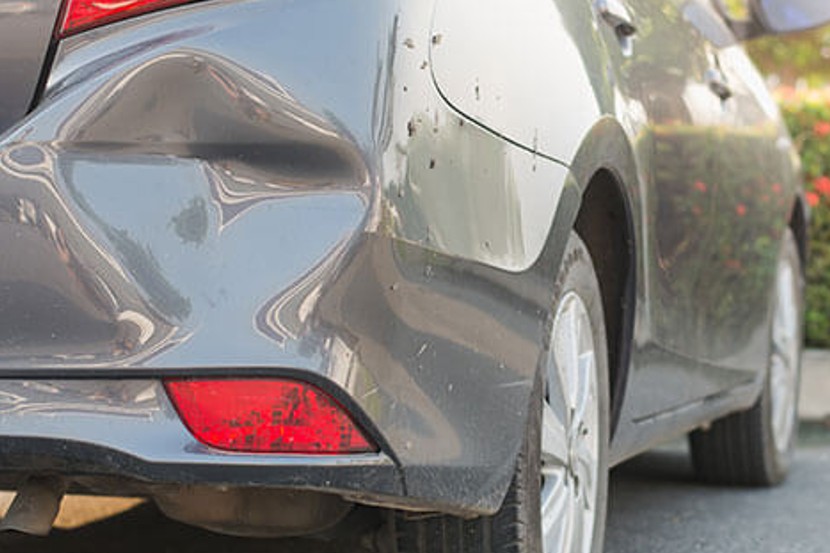
Is it worth claiming on my car insurance for a dent?
This depends - there are pros and cons:
Pros
-
Repair costs might be cheaper than trying to fix it yourself
-
Repairs are usually guaranteed when using an approved repairer
Cons
- Making a claim could impact your no-claims bonus
- The repair costs could be lower than your excess, making claiming ultimately pointless
Just remember to tell your insurer about any dents even if you don’t intend to claim.
How long does a car insurance claim take to settle?
It depends on how complicated the claim is. If another driver hit your car and admitted fault, and there are no injuries involved, it could all be sorted in a few weeks.
But if there's a dispute over who was responsible, or if someone's been injured, the process can take much longer - sometimes several months before a payout is agreed.
Could my car insurance claim be rejected?
Most claims go through without a problem. In fact, in 2024, insurers paid out £11.7 billion on car insurance claims - covering everything from theft and repairs to replacement vehicles and injury cover.
But there are a few reasons your claim could be rejected. These include:
- If the accident was your fault and you were being negligent - like speeding or breaking the law
- If your car wasn't roadworthy at the time of the accident
- If your policy details were incorrect or out of date - for example, if you've moved and haven't updated your address
If my car is written off what happens to my insurance?
If your car is written-off and can’t be repaired, your insurer will usually pay out its current market value. That's what the car was worth at the time of the accident - not what you originally paid.
In most cases, the insurer keeps the car. But if you want to keep it, and it's repairable, you might be able to if you can prove it can be made roadworthy again.
If that happens, your insurer may deduct the value of the car from your total payout.
What happens if my car is written off and it’s on finance?
The process for making an insurance claim is slightly different for cars with outstanding finance.
You have to pay the difference between the amount you owe the finance company and the amount you’ve been given by your insurer. This is because the car’s value at the time of the claim is going to be less than when you first bought it. This is called depreciation.
One way to protect yourself against this is with gap insurance. It's a policy that covers the shortfall between your payout and what you owe the finance company.
When do I pay my excess?
It depends on your insurer. Some ask for the excess upfront, while others take it off your total payout. The best thing to do? Check with your insurer so you know exactly what to expect.
If the damage is only minor - and cheaper to fix than your excess - it might make more sense to sort the repairs yourself. That way, you can avoid making a claim and keep your no-claims bonus intact.
Just remember: even if you don't claim, you still need to let your insurer know about the incident. They'll make a note of it on your record, but it won't affect your bonus unless you claim.
What happens to my no-claims bonus if I make a claim?
Every claim you make usually takes 2-3 years off your no-claims bonus (NCB).
It's another reason why protected no-claims bonus cover can be worth it. But it's also why some people choose to cover small repairs themselves, just to avoid losing their discount.
What if I have a protected no-claims bonus?
This means that your no-claims bonus remains intact when you claim. Protecting your NCB allows you to have a certain amount of ‘at fault’ accidents without affecting the bonus. It's often referred to as no-claims discount protection.
Each insurance company has different rules regarding how many claims you’re allowed.
How long does a claim stay on my car insurance record?
It's often between 3 - 5 years.
We'll usually ask about any claims or incidents from the last 5 years - even if you didn't claim and even if it wasn't your fault. That's standard info most insurers ask for.
Don't worry - it's not a trick question, and it won't always mean higher prices. It's just part of how insurers assess risk and work out your quote.
Here's what we'll ask you:
- What kind of incident it was - accident, theft, fire or flood
- Whether or not you made a claim
- If anyone was injured
- If it was just your vehicle involved
- Who was at fault ?
- When it happened
- The total claim cost - if you didn't claim, you can just put £0






 cookie usage