

Been in an accident that wasn't your fault and wondering what to do next? This is usually referred to as a "non-fault claim" once it's reported - here's what that means for your insurance.
Key takeaways
- A non-fault accident is usually called a "non-fault claim" once it's reported to your insurer - the two terms mean the same thing.
- You have 3 years from the date of the accident to make a personal injury claim under the Limitation Act 1980 - but you should still report to your insurer much sooner.
- Non-fault claims can still affect your premium at renewal, even though you weren't at fault -insurers use claims history as a risk signal.
- Your no-claims bonus may or may not be affected, depending on your policy and whether you have no-claims protection.
- You shouldn't have to pay your excess if the other party's fully at fault - though you may need to pay it upfront and reclaim it later.
What is a non-fault claim?
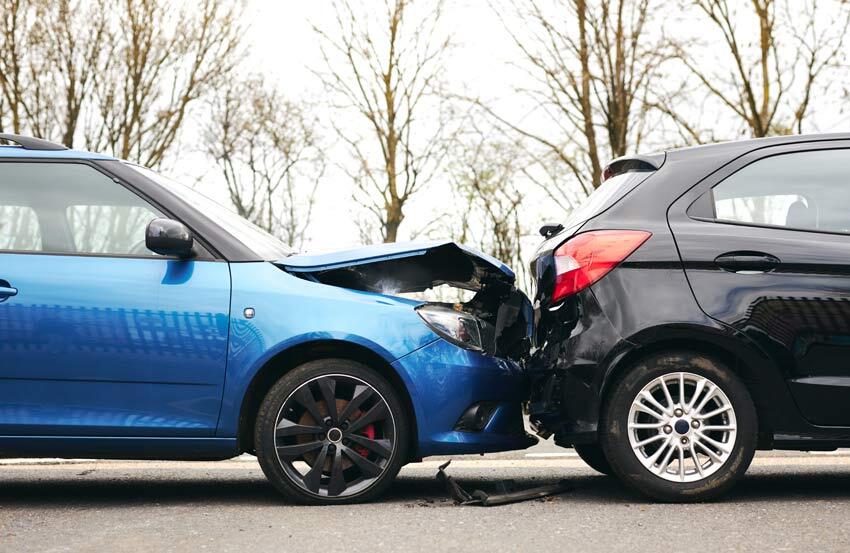
A non-fault claim is when you have an accident that wasn't your fault. The other driver or their insurer pays the costs. This includes damage to your vehicle, any injuries you get, or other losses from the accident.
This is different from an 'at-fault' claim, where you're responsible. Sometimes, you can have an accident that wasn't your fault, but you're still liable.
Wondering how? It happens if you can't identify the at-fault driver. For example, if another driver caused your accident but sped off before you got their details.
How do I know if an accident was my fault?
Figuring out fault after an accident can feel confusing. Here are the key things to consider:
- Were you following the rules of the road? If you broke the law - like running a red light - you might be at fault.
- Did the other driver behave recklessly? If someone hit you from behind, changed lanes without looking, or ignored traffic rules, they're likely at fault.
- Were there witnesses or evidence? Dashcam footage, photos, or eyewitness statements can clarify what happened. Share these with your insurer so they can accurately decide who's liable.
When you report an accident, your insurer will investigate to decide who's responsible. They'll determine if your claim is 'at-fault' or 'non-fault'.
If you don't agree with their decision, you have a legal right to contest it.
First, use your insurance provider's complaints process. You'll find details on their website or in your policy wording.
Still unhappy? You can then complain to the Financial Ombudsman Service (FOS). This service is free, but you'll need an official decision letter from your insurer for the FOS to investigate.
How long do I have to make a non-fault claim?
If you've been injured in a non-fault accident, you usually have 3 years to make a personal injury claim. Under the Limitation Act 1980, this 3-year clock starts ticking from the date of the accident or when you realised your injury was linked to it - whichever happened last.
A couple of important exceptions:
- Under 18s: Their 3-year window usually starts on their 18th birthday, giving them until their 21st birthday to claim.
- Mental capacity: If someone lacks the mental capacity to manage their claim, there's no time limit - the clock only starts if and when they regain capacity.
Remember, this legal deadline is separate from telling your insurer about the accident. You might need to report it within 24-48 hours (always check your policy!), even if you have 3 years to make an injury claim. Need to know more? Read our guide on when to report a car accident.
"Waiting too long can cost you evidence, not just time. Dashcam footage often gets deleted automatically, witnesses move on, and the accident scene won't look the same in six months, let alone three years. Reporting and gathering evidence early gives your claim the best chance." What our motor insurance expert says


Do I need to declare a non-fault accident?
Yes, always tell your insurer about any accident you've been in.
This applies even if it wasn't your fault and whether you claimed or not. Most insurers require you to declare all incidents from the past 5 years. Check your policy, as this timeframe can vary.
If you don't declare an accident and your insurer finds out, they could cancel your policy. Don't risk it - always be honest with your provider.
Does a non-fault accident count as a claim?
Yes, it does. Your insurer will log it in your claims history.
Even though it's not your fault, it's still a claim because your insurer needs to know about the incident. The good news is they'll recover the costs from the other driver's insurer, so you won't be penalised for it.
Do I have to pay excess if the accident was not my fault?
It depends. Here's why:
With comprehensive car insurance, you might pay the excess first, even if the accident wasn't your fault. Your insurer will then work to get your money back from the other driver's insurer. Often, this includes your excess.
Need to know more? Just ask your insurer. They're there to help!
Does making a non-fault claim affect the cost of my car insurance?
Yes, it often does.
Insurers usually see any claim as an increased risk, even if you're not to blame. This can mean your premium goes up.
If your premium does increase after a non-fault claim, there are a few things you can do to help keep costs down. We'll show you how next.
How to save on your car insurance if you’ve made a non-fault claim
Even after a non-fault claim, you can still cut costs on your car insurance. Here's how:
- Shop around. Compare quotes from different providers to find a better deal.
- Increase your voluntary excess. A higher excess usually lowers your monthly payments. Just make sure you can afford it if you need to claim.
- Keep a clean driving record. Avoid speeding tickets or other traffic violations. They'll push up your prices.
- Bundle policies. Got other insurance like home cover? Combining policies with one provider could save you money.
Does a non-fault claim affect my no-claims bonus?
No, a non-fault claim usually won't affect your no-claims bonus.
Here's the deal: your no-claims bonus might temporarily change when you first report a non-fault claim. This happens while your insurer investigates who was at fault.
Once your insurer confirms you're not liable and recovers costs from the other driver's insurer, your no-claims bonus will be restored. Always check your policy terms to be sure.
Can I claim compensation for a non-fault accident?
Yes, you can claim compensation for a non-fault accident. How you claim depends on your car insurance type. Here's what you need to know:
If you have comprehensive car insurance, you'll claim through your provider. You'll pay your policy excess upfront, but your insurer will work to recover these costs for you, including your excess.
Third-party insurance only covers damage you cause to someone else's vehicle, property, or injuries. This means you can't claim for your own damage or losses, even if the accident wasn't your fault.
What if the other driver isn't insured? You could still get compensation through the Motor Insurers' Bureau (MIB). Visit the MIB website to learn more about claiming.
If your car's damaged badly enough, your insurer might declare it a write-off rather than repair it. Read our car write-offs explained guide to see what that means for your payout.
 cookie usage