


The Winter Fuel Payment, also known as the Winter Fuel Allowance, is a benefit that is paid to everyone that's claiming the state pension.
The idea is that it helps older people pay for the cost of heating their homes during the colder months of the year.
Here's what you need to know about how it works and how much you could get.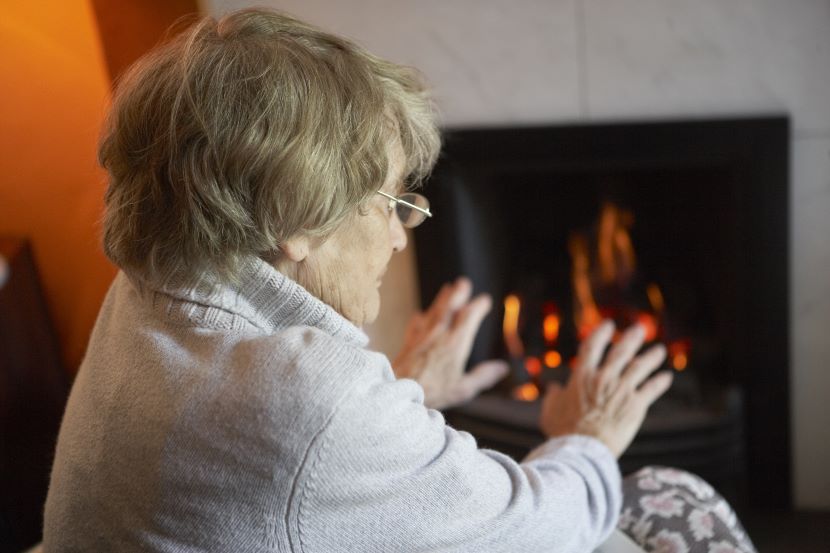
Switching energy providers
If you're looking for certainty on your energy bills, compare energy deals to see fixed deals that are currently available.
What is the Winter Fuel Payment?
The Winter Fuel Payment - or Winter Fuel Allowance - is a yearly tax-free payment paid to eligible households where somebody has reached the state pension age. At the moment, that means they need to have been born before 27 June 1960.
If your total income is over £35,000, HMRC will claw the payment back in the following tax year. Any income a partner brings in doesn’t contribute to your income total.
The Winter Fuel Payment isn't a one-off piece of support during the ongoing cost of living crisis or global events impacting energy prices - it's been paid each year since 1997.
The Winter Fuel Payment is designed to help older people keep warm during the winter months.
How much is the Winter Fuel Payment?
The heating allowance you qualify for depends on your age and living situation.
For 2026-27, the payments are between £100 and £300.
If you live alone, or with someone who hasn't reached State Pension Age (SPA) yet, you get £200, rising to £300 if you were born before 22 September 1946.
If you live with someone else who's also eligible you get between £200 and £300 depending on your respective ages.
Am I eligible for the Winter Fuel Payment?
Since 2025-26, everyone who has reached the state pension age is automatically eligible for the Winter Fuel Payment – you don’t need a means tested benefit to qualify. However, if your total annual income exceeds £35,000, HMRC will take the Winter Fuel Payment back through the tax system afterwards.
The amount you get continues to vary according to your age and circumstances.
The Winter Fuel Payment isn’t available if you live in Scotland and is instead called the Pension Age Winter Heating Payment.
When do I get my Winter Fuel Payment?
The Winter Fuel Allowance is normally paid automatically in November or December each year. If you haven’t had it by 27 January, and you think you're entitled to it, you should make a claim through the Winter Fuel Payment centre.
How do I claim the Winter Fuel Payment?
If you think you're eligible for the Winter Fuel Payment but haven't had it by 27 January, you can make a claim.
You can download a form from GOV.UK or call the Payment Centre on 0800 731 0160 between 8am and 6pm, Monday to Friday, and ask them to send you one. To complete the form, you need to know:
- Your National Insurance number
- Your bank or building society details
- If you’re married or in a civil partnership, the date it started
How is the Winter Fuel Payment paid?
The Winter Fuel Payment is paid as a lump sum direct into your bank or building society account. This means you can spend it on what you want – it doesn’t have to go to your gas or electricity provider.
Will the Winter Fuel Allowance affect my benefits?
No, it doesn't affect any of your other benefits. It's also tax-free so you don’t need to worry about it increasing your tax bill, if you normally pay tax on your income.
I haven’t claimed Winter Fuel Payment before and I think I was eligible
Winter Fuel Payment claims can't be backdated for previous years. If you think you're eligible then you should make a claim as soon as possible to make sure you don’t miss out this winter.
What other benefits could I claim this winter?
If you’re struggling with energy costs in wintertime, there are several benefits available. These include:
-
The Warm Home Discount – a one-off discount of £150 on the energy bills for the most vulnerable households living in fuel poverty.
-
Cold Weather Payment –a grant paid to certain customers when the temperature drops below freezing for seven consecutive days or more.
-
Energy efficiency grants – if you qualify, these pay for insulation and other improvements to your home.





 cookie usage