


When it comes to calculating car insurance, insurers look at you, your car, and how you use it. That’s how they decide what you’ll pay. They’re working out risk and the higher the risk, the higher the price.
The information in this video is also available as a text transcript.
Key takeaways
- Car insurance prices are built from risk - insurers assess your details, your car, and how you use it to predict the chance of a claim.
- Factors like postcode, car group, and mileage feed into that risk calculation - even small changes can shift your quote.
- Choices like building a no-claims bonus or increasing your excess can reduce your price, but they also change how much you’d pay if you claim.
What factors affect my car insurance costs?
Insurers look at things like:
- Your age
- Your occupation
- The car you drive
- Where you live
- How secure your car is
- How you use your car
- Your claims history and no-claims bonus
- Your excess
- What type of policy you choose
- Your credit score
It all comes back to risk. Insurers use these details to decide how likely you are to make a claim.
Insurers don’t all price risk the same way. That’s why quotes can vary. For example, one insurer might favour modified cars. Another might not quote for them at all. For example, an insurer who specialises in modified cars may not provide a quote for someone with a Citron DS3, but will for a sporty Ford Fiesta.
To get an idea of insurance prices are put together, use our car insurance calculator to get an idea of how much your insurance could be.
What is an insurance risk?
A risk is anything that could lead to a claim. For example:
- An accident that requires repairs
- Your car is stolen and they pay to replace it
- Your car is written off and needs to be scrapped
Every policy is a risk to an insurer. The higher the risk, the higher the price.
How does my age affect my car insurance?
Age is one of the most significant factors that insurers look at when they calculate car insurance policies.
Generally, younger drivers have less experience at the wheel than older drivers. So they're statistically more likely to be involved in an accident.
This means that drivers aged between 17 and 25 generally face the highest prices.
Does my driving experience affect my costs?
The longer you’ve held your licence, the less you’ll usually pay. Here's how experience affects prices¹:
| Age | Licence held for less than 1 year | 1 year with a licence | 2 years with a licence | 3 years with a licence |
|---|---|---|---|---|
|
21-24
|
£2,012
|
£1,701
|
£1,347
|
£1,116
|
|
25-34
|
£1,593
|
£1,273
|
£1,045
|
£952
|
|
35 -49
|
£1,232
|
£953
|
£821
|
£761
|
|
50-59
|
£1,159
|
£936
|
£771
|
£705
|
|
60-69
|
£1,172
|
£838
|
£701
|
£854
|
¹Confused.com car insurance data from 1st October 2025 - 31st March. Median annual top premium, based on years the licence was held at the time of the quote.
How does my occupation affect my car insurance?
Insurers use your job as a clue to risk. They’re trying to guess how you drive and how likely you are to claim. That includes whether you:
- Drive as part of the job
- Travel at rush hour or late at night
- Keep tools or equipment in the car
- Move between different sites
They also compare your title with past claims. Some roles have a track record of more claims, which can push prices up.
There’s no official list of “cheap” or “expensive” jobs, but trends are clear. Desk jobs with little driving often cost less. Roles that mean more time on the road, like delivery work, often cost more.
When you enter your job title, be accurate. Small wording changes can shift the price, but it still has to match what you actually do.
You can see how different roles compare in our guide on why job titles impact your car insurance price.
How does my credit score affect what I pay for my car insurance?
When you apply for car insurance, your insurer may perform a soft credit check. This doesn't impact your credit score, but your credit score itself can affect what you pay for your car insurance.
A lower credit score can sometimes indicate to an insurer that you're riskier to insure than someone with a higher score, as you may be more likely to default on your premiums.
How does my car affect my car insurance premiums?
As you’d expect, the kind of car you drive has an impact on how much you pay for your insurance.
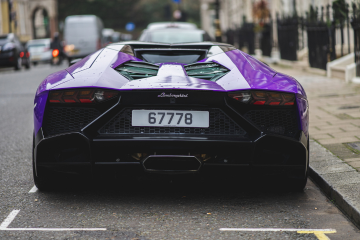
If it’s a brand new sports car, for example, the cost of repairs or replacement could be far higher than a 1-litre runaround.
There are a few things you need to keep in mind when looking at this:
Value: The more expensive your car, the more it could costs to replace if your car is stolen or written off in an accident.
Power: The faster and more powerful your car is, the more likely it is to be involved in an expensive accident.
Modifications: If you modify your car to make it more powerful or to look different, it's likely to increase your costs. Most insurers have a list of modifications they accept without putting the price of your policy up, and those which should cost more.
Desirability: If you own a particularly desirable car, your insurer may consider it a greater risk of theft.
How does where I live affect my car insurance?
If you live in a built-up area where the risk of accidents is generally greater, you’re likely to pay more. The same applies if you live somewhere with high levels of car crime.
If you live in a rural area with low crime, the cost of your insurance could be lower.
This could vary even between postcodes. For example, a car a few streets away might have significantly higher prices because it’s near a particularly dangerous stretch of road.
How does security affect my car insurance?
Alarms, immobilisers, or other built-in security gadgets help reduce your costs as they're more likely to deter thieves.
Where you keep your car when you're not using it could also affect the way your insurance is calculated:
- If your car is parked on the street, or away from your home, it's more vulnerable to theft
- If you keep your car in a security monitored car park or garage, you could find your costs come down
How does the way I use my car affect my car insurance premiums?
If you use your car for commuting, you might pay more for cover than if you keep your car parked at home during the work week.
This is because you're driving more often and on busier roads when commuting.
Your annual mileage is also considered. The more you drive, the more likely you are to be involved in an accident, and the higher the risk of the car needing repairs.
How does my driving history and my no-claims bonus affect my car insurance?
When getting a car insurance quote with us, we'll ask you for details of any claims you made in the past 5 years.
Even if you weren’t at fault, the claim is likely to increase your car insurance costs.
If you haven’t made any claims for a year or more, you should have some form of no-claims bonus (NCB).
Most insurers tend to accept up to 5 years' worth of NCB, which should help reduce your costs.
Does having points on my licence affect my car insurance?
Yes, having points on your licence is likely to make your car insurance more expensive.
Your insurer might see you as a potentially risky customer, which means you may end up paying more than normal for your cover.
When you compare car insurance quotes with us, we'll ask you about any penalty points you've had in the last 5 years.
How does my excess affect the premiums on my car insurance?
The more you agree to pay as a car insurance excess, the less your insurance tends to cost.
This is because you’re taking on a greater amount of the risk and any potential payouts from your insurer are reduced.
But this is only worth doing if you can afford to pay this excess.
How does the type of cover I buy affect my car insurance?
You might think that the higher the level of cover you go for, the more expensive your prices would be. This isn’t always the case. In fact, you might find that choosing more protection works out to be less expensive for you.
There are 3 levels of car insurance cover:
-
Third-party only: This is the most basic level of protection that covers other cars and drivers, but not your own
-
Third-party, fire and theft: This adds cover for your car if it's stolen or set on fire
-
Comprehensive: This also protects your car for damage


 cookie usage