


‘Crash for cash’ scams are on the rise - but how can you protect yourself from this type of insurance fraud?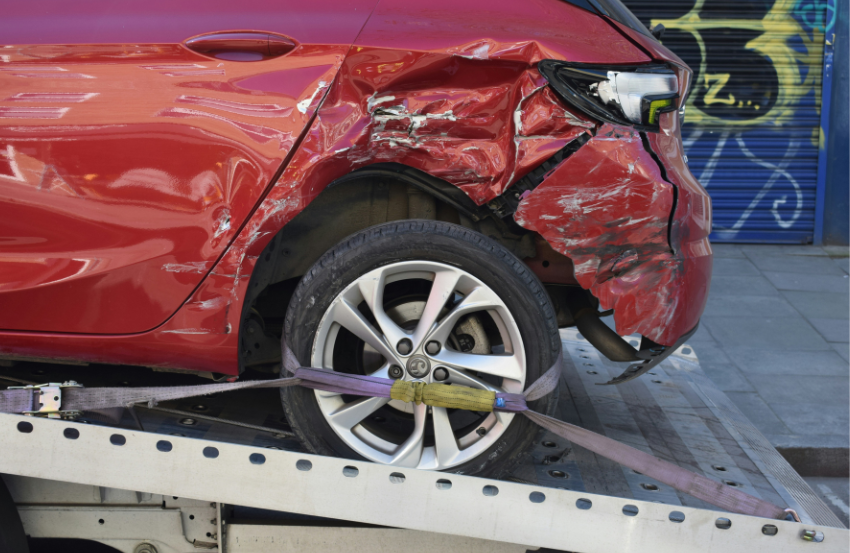
Key takeaways
- New analysis reveals crash-for-cash fraud is becoming more sophisticated, with criminals using a range of tactics to deliberately cause collisions and blame innocent motorists.
- Roundabout scams, side-road traps and moped fraud are among the latest techniques being used by organised insurance fraudsters across England.
- Maintaining a safe stopping distance remains one of the best defences against the most common crash-for-cash scams.
- Experts urge drivers to document everything after a collision, as photos, witness details and CCTV footage can help expose fraudulent claims.
What is a crash for cash scam?
A crash for cash scam happens when a fraudster causes a deliberate crash to claim compensation by blaming innocent drivers.
The most common type of scam involves a criminal braking suddenly, causing an innocent motorist to crash into them.
New crash for cash scams drivers should watch out for
The Insurance Fraud Bureau (IFB) has spotted a rise in new types of trends as part of its insurance fraud hotspot analysis, including:
-
Roundabout traps in Dagenham (England’s top hotspot), where scammers move into the wrong lane on a busy roundabout to force a collision.
-
Side road set-ups in Birmingham. Criminals encourage a driver to pull out on a side road and then crash into them.
-
Moped scams in London. Where moped or motorbike scammers drive into oncoming traffic and accuse victims of fault.
Sometimes crooks will take your insurance and personal details and use those to commit financial crimes. For example, one driver had 40 policies taken out in his name according to the IFB.
Criminals have also been known to make up claims for accidents that have never happened, known as a ‘ghost accident’.
How to spot a ‘crash for cash’ scam?
Look out for warning signs! A driver may be travelling unusually slowly, or do they speed up and slow down unexpectedly? Fraudsters have been known to disable brake lights to trick drivers too, so look at the vehicle, not just its lights.
Always maintain a safe distance between you and the car in front of you so that you can break in time. During dry conditions this is 2 seconds; if it’s wet, then you should double it to 4. When it’s icy or snowy, then you need a 20-second gap.
If you do have a crash, ask yourself some key questions. Are they very calm for someone who has just been involved in an accident? Are their injuries accurate based on the force of the impact? They may have also already written down their insurance information.
Keep evidence. Take notes of all the relevant information, including the driver, passengers and circumstances of the collision. Check to see if there is any CCTV in the area. Take photos of the scene if it’s safe to do so. Give this information to your insurer.
If you’re worried about data fraud, you can apply for Cifas Protective Registration (£30 for two years), which puts your details on the national fraud database. Any organisation that uses Cifas data will be alerted to pay special attention when your details are used to apply for products or services.
How to report a crash for cash scam
If you’re suspicious, then report it to the police and tell the IFB’s Cheatline on 0800 422 042.
Always call 999 in an emergency.
Read more about insurance fraud and how to avoid it in our guide.
 cookie usage