


You won't be the first person to forget when you passed your driving test, and you won't be the last!
The good news is that you can find out – we'll break it all down for you.
Key takeaways
- Your driving licence photocard displays your pass date along with the expiry and issue dates
- If you don't have access to your photocard, or the date is blurred, you can still check online
- More years of driving experience generally lowers your car insurance premiums, but this isn't always the case
How to find out when I passed my driving test using my photocard
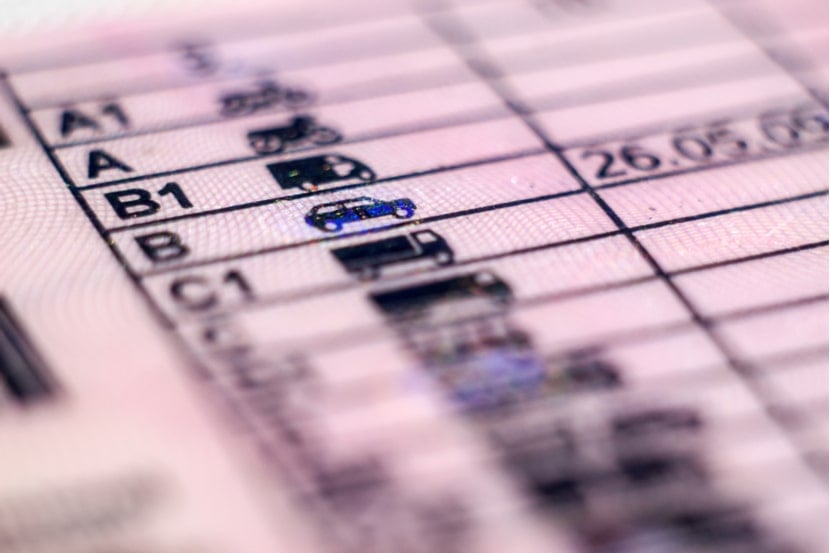
If you have your driving licence photocard at hand, it's easy! On the back of the photocard, there should be a table outlining the different types of driving licence categories.
Column 10 should state the date you passed the test for the corresponding category. It'll be formatted as DD.MM.YYYY, so if you passed your test on 10 February 2025, column 10 should show you 10.02.2025.
What is the difference between the issue date and the pass date?
It's simply two different dates signifying when your driving licence photocard was issued and the date you passed a practical driving test.
Just be aware - they're not the same thing!
The date of issue (4a on the front) can change, especially if you move home and need to update your address, for example. If you do, you can update your licence online through the DVLA. It won't cost anything, and you can still drive while you wait for your new photocard licence.
But it's important you do this. Not telling the DVLA that you've changed address can result in a fine up to £1,000.
Your driving licence pass date (column 10 on the back) shouldn't change. However, if you pass additional driving tests for different categories of vehicles, you should inform the DVLA. In turn, you'll be sent a new driving licence photocard displaying new pass dates for other categories of vehicles.
How to check my driving test date online (DVLA)
Don't have your driving licence photocard handy? Don't stress.
You can check online. You just need to provide your driving licence number, national insurance number and the postcode listed on your licence.
In addition to your pass date, you can also view your driving record, check for any penalty points and create a licence ‘check code’.
How to find your driving licence number
Your driving licence number is displayed under section 5 on the front of your photocard. It's a unique 16-character number composed of your own personal information. It's usually the first 5 letters of your surname, followed by your date of birth, the initials of your first name and 3 random characters.
If you want to view your driving licence information online, you'll need the 16-character code for access.
What is the driving licence issue number?
At the end of your driving licence number there is usually a gap followed by 2 characters – this is your issue number.
It's often confused as part of your driving licence number because it's under section 5 on the same line, but it's not.
The purpose of the issue number is to reflect how many times a new licence has been issued to you by the DVLA. This number increases every time you're issued a new photocard licence, such as when you update your address, photo or change your name.
Why do insurers need to know how long I’ve been driving?
Your driving experience is one of several key factors used to calculate your car insurance premiums. Generally, the longer you have held a full licence, the lower your risk profile in the eyes of insurers.
For reference, here's a breakdown of the annual average cost of car insurance based on the first few years you hold a full UK licence:
| Years held a full UK driving licence | Average annual car insurance premium* |
|---|---|
|
0
|
£1,885
|
|
1
|
£1,450
|
|
2
|
£1,099
|
|
3
|
£949
|
|
4
|
£918
|
|
5
|
£868
|
|
6
|
£745
|
However, it's not strictly true that holding your licence for longer automatically leads to lower premiums. For instance, if you make a claim on your car insurance, the cost will more than likely rise at renewal.
If you're still faced with huge car insurance premiums, there are a few tips you can try to bring down the cost:
- Shop around for car insurance quotes: It's quick and easy and may help you save you money! Using price comparison websites like Confused.com can help you find the cover you need for the right price.
- Pay for your car insurance annually: Insurers charge interest if you decide to spread the cost by paying monthly. You won't incur these charges by paying in one lump sum. So if you can afford to do so, pay annually and you'll make a saving.
- Adjust your voluntary excess: Increasing what you're willing to contribute towards a potential claim may bring down the cost of your car insurance.
- Accurately estimate your mileage: You never want to leave yourself short of cover by underestimating your mileage. But overestimating means you may be paying to cover mileage you don't need.
*Confused.com data based on annual comprehensive car insurance premiums between November 2025 and February 2026



 cookie usage