


Accidents happen, even in a quiet car park. Whether you’ve hit a parked car or someone has hit yours, here’s what you need to know and can do next.
Key takeaways
- If you hit a parked car, you're legally required to stop and leave your details, even if you can't see any damage
- Never assume there's 'no damage', as this is often not the case. Plastic bumpers and modern paint finishes can hide scuffs or cracks that only appear later
- If you didn't notice the contact or damage at the time, report it and contact your insurer as soon as you realise. Don't put it off, as this makes the process harder
- Remember: you must tell your insurer about any accident, even if you're not making a claim
- If someone hit your parked car and left, take photos of the damage, check for CCTV, and report to the police to get a crime reference number
Someone hit my parked car and left, what should I do?
If you find your car damaged and the culprit is nowhere to be seen, here’s what you can do:
-
Look for evidence: Check for a note left by the driver. If they’ve done the right thing, it should include their name and contact details.
-
Ask around: See if anyone nearby witnessed the incident. Local businesses or homes might have CCTV that captured the culprit.
-
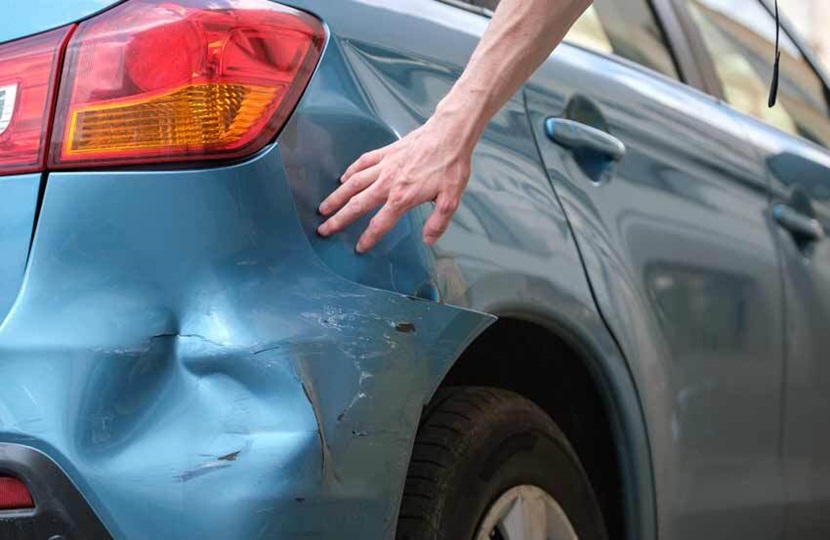
Photograph the damage: Snap clear photos of the damage to your car from multiple angles.
-
Check if your car is safe to drive: Before you leave, make sure your car is drivable. If it’s not safe, you might need to call for roadside assistance or arrange a tow.
-
Report it: Inform the police if you can’t find the person responsible. You’ll need a crime reference number for your insurance claim.
-
Notify your insurer: Let your insurance provider know about the accident, even if you’re not making a claim yet.
-
Know your rights for third-party claims: If the other driver is identified later through CCTV or a witness, their insurer may cover the damage as part of their third-party liability.
If your parked car has been hit, depending on the extent of the damage you'll need to decide whether to make a claim on your car insurance or pay for repairs yourself. If your car has suffered significant damage, you might be dealing with a write-off.
What should I do if I hit a parked car?
Leaving the scene of an accident without providing your details is against the law in the UK. If you find yourself in this situation you should:
- Stop immediately: It’s your legal duty to stop if you’ve hit another car.
- Leave your details: Write a note with your name, contact details, and vehicle registration. Place it securely on the other car.
- Notify your insurer: Even if the damage seems minor, you must inform your insurance provider. So if you're wondering what to do if you scrape a parked car -even slightly, the answer is always telling your insurer.
Failing to follow these steps could result in fines, penalty points on your licence, or even prosecution. It’s simply not worth it.
Regardless of whether you can see any damage, it's your legal duty to stop and leave your details. You can't always see minor damage, but a light bump or scrape should be treated in the same way as any obvious damage.
Didn't notice the contact when it happened? Don't panic: If you check your car and find a mark later, report it to your insurer as soon as you can. You should also contact the other party as soon as possible.
Reporting a car accident to your insurer is crucial, so don't delay! Putting off telling your insurer doesn't remove the obligation and can make things look worse if it's later disputed.
[$article/expert-quote/expert-quote-what-to-do-if-you-hit-a-parked-car]
Who is responsible if you hit an illegally parked car?
Hitting a car that’s parked illegally might seem like an open-and-shut case. After all, they shouldn’t have been there, right? Not quite.
As the moving driver, you’re usually expected to avoid obstacles. Even ones parked where they shouldn’t be. However, there are exceptions. If the illegally parked car was causing an obstruction or posing a hazard, liability might be shared or shifted.
When you might still be liable
- If the car is parked in a restricted zone but isn’t obstructing traffic
- If you were distracted or driving carelessly when the accident happened.
When liability might be shared or shifted
- If the illegally parked car is causing a clear hazard, like blocking a junction or a fire lane
What to do if this happens
- Take photos of how the car was parked and the surrounding area
- Report the illegal parking to the local council or relevant authority
- Share all the evidence with your insurer. They’ll help determine who’s at fault.
What to do if you hit a parked car but no damage is caused
Had a little bump and can't see any damage? You still need to take a moment to double-check. Inspect the area carefully, minor dents or scratches might not be obvious at first glance. You should still leave your details anyway. If you’ve touched someone’s car, it’s always better to play it safe and leave your name and number. It's a good idea to let your insurer know as well. Even if there’s no damage, let them know what happened to cover all bases.
Skipping this could lead to issues later if the other driver claims damage after the fact—or worse, accuses you of causing damage that wasn’t there.
What’s going to happen to my car insurance for the following year?
Hitting a parked car, whether it’s your fault or not, can affect your car insurance.
If you’re worried about how an accident might affect your premium, it’s worth understanding the difference between third-party and fully-comprehensive insurance. Comprehensive cover might offer better protection depending on your circumstances.
Here’s how your car insurance could be impacted:
-
Your no-claims bonus: If you make a claim and you're deemed to be at fault, your no-claims bonus will take a hit unless it’s protected.
-
Higher premiums: Even if you don’t make a claim, reporting the accident could lead to a rise in your premium. Insurers tend to see any incident as a potential risk
-
Fault matters: If you’re at fault, the impact on your premium is likely to be greater. However, if the other driver is found responsible, this could limit the effect. It depends on your insurer and how much risk they view you to be.
Each insurer calculates risk differently. The impact on your premium will depend on your insurer’s policy and whether your no-claims bonus is protected.
Tips for getting cheaper car insurance after an accident
An accident doesn’t mean you’re stuck paying sky-high insurance costs forever. Here are a few things that could help to keep costs down:
- Shop around: Don’t settle for your first renewal quote. Compare options from other insurers to find a better deal
- Increase your excess: Opting for a higher voluntary excess could bring your premium down. Just make sure it’s an amount you can afford if you need to claim
- Try telematics insurance: A black-box insurance policy can help you show insurers that you’re a safe driver, which can lead to discounts
- Add security features: Dash cams, alarms, and immobilisers can sometimes qualify you for a cheaper policy.
When should you notify the police?
In some cases, notifying the police is mandatory. For example:
- If the driver who hit your car didn’t leave their details
- If the damage involves public property (like a lamp post or bollard)
- If the accident caused injuries
Call 101 for non-emergency reporting or 999 if it’s an emergency.
We hope this never happens to you, but if it does, following this guidance should help make things a little easier to manage.
 cookie usage