


Do your palms sweat at the sight of a busy roundabout? You’re not alone. We’ll cover what driving anxiety is, why it happens and what can help.
Key takeaways
- Driving anxiety is common. In a 2026 survey of 2,000 UK drivers, 37% of 18-24-year-olds said they often feel anxious at the wheel. For all drivers it’s 9%, and for over-65s it’s 3%1
- Start with short, familiar routes. Build up to longer or trickier ones when you’re ready
- Around a quarter of drivers in the survey say motorways make them anxious.1 A session with an instructor may help build your confidence
- If anxiety gets in the way of your driving, speak to your GP or a therapist. Some instructors specialise in nervous drivers
What is driving anxiety?
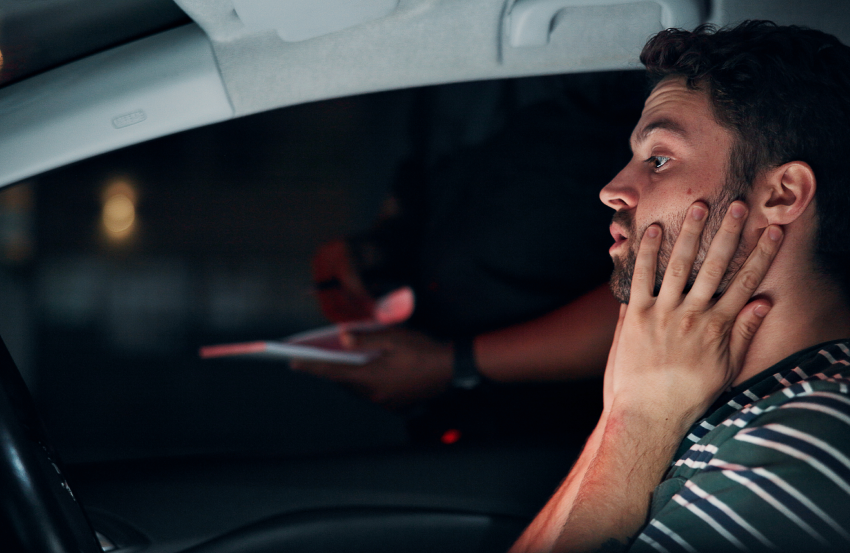
Driving anxiety is more than a few nerves before a trip. It’s a real fear, and it can feel overwhelming. Some people feel uneasy every time they drive. Others only feel it in certain situations, like:
- Motorway driving
- Driving at night
- Heavy rain, snow, or fog
- Travelling alone
- Navigating unfamiliar areas
- Being stuck in traffic
- Passing large vehicles
- Crossing bridges or tunnels
Symptoms can be physical, like a racing heart or tense muscles. You might also feel distracted or panicked.
It’s common, and there’s nothing to be embarrassed about. If anxiety affects your driving, get professional help. If you’ve been diagnosed with anxiety and it affects your ability to drive safely, you must tell the DVLA on GOV.UK.
If you don’t tell DVLA, you can be fined up to £1,000, and you may be prosecuted if you’re in an accident as a result. If anxiety doesn’t affect your driving, you don’t need to tell DVLA. If you’re not sure, ask your doctor.
What causes driving anxiety?
There’s no single cause, but these come up a lot:
- Past accidents or near misses – the memory can stick, making even familiar routes feel stressful.
- Fear of losing control – you worry you’ll make a mistake or react too slowly.
- Driving after a long break – a bit like returning to the gym after months off but worse. Returning to driving after a long period can make you feel out of practice.
- Specific fears – breaking down, getting lost, bad weather.
- Health or vision changes – making you feel less safe on the road.
- Anxiety-related conditions – such as generalised anxiety disorder or panic disorder. Only a health professional can diagnose these.
What are the symptoms of driver anxiety?
Some drivers may have always experienced some degree of anxiety. For others, symptoms2 can sneak up on you all of a sudden without warning.
Physical signs
- Sweaty palms
- Shaky hands or legs
- Racing heartbeat
- Shortness of breath
- Tense shoulders and neck
- Nausea or dizziness
Mental signs
- Trouble focusing on the road
- The urge to avoid driving altogether
These symptoms can have other causes. If they’re severe, new or worrying, speak to a GP.
It's common to feel mild anxiety without it impacting your ability to drive safely. If the anxiety gets to a level where you may be putting yourself or others on the road at risk, don't drive and seek help. You can also find support through NHS talking therapies or Mind2.
How to overcome driving anxiety
Confidence isn’t built overnight; it takes time, so focus on bite-sized journeys. The aim isn’t to become fearless, it’s to get your brain out of ‘danger mode’ and into ‘I’ve got this’ mode.
- Start with short, familiar routes you could almost drive with your eyes shut (please don’t).
- Keep practicing – even if it’s just a 5-minute drive to shop.
- Plan your route in advance, so you know the turns and stops.
- Learn a couple of techniques to help keep yourself calm, like box breathing. Practise away from the car first, and never do anything that distracts you while driving.
- Book a refresher lesson if you need a friendly co-pilot in the passenger seat. Or take a journey with a trusted, calm and experienced family member. If you have a provisional licence, they must meet the legal requirements for supervising drivers.
- If you feel panicky while driving, stop somewhere safe as soon as you can. On a motorway, leave at the next exit or services.
How to overcome motorway anxiety
Fear of driving on motorways is common, and it’s easy to see why, with fast lanes, slip roads, and big lorries. Here’s how to prep for your motorway journey:
- Go at quieter times of day.
- Stick to the left lane until you feel ready to overtake.
- Practice joining and leaving when the traffic is light (not during busy rush hour times).
- Gradually increase your motorway time instead of putting yourself through the long M6 stretch straightaway.
If you’ve just passed your test, it might be worth considering Pass Plus or a motorway session with an instructor.
How to cope with driving in bad weather
Driving in wind, rain, snow, ice and fog can make your driving anxiety feel even worse. Here's how to make driving in bad weather less stressful:
- Slowing down and giving extra space to the car ahead.
- Checking your wipers, lights, and tyres before you leave.
- Avoiding unnecessary trips during extreme weather warnings.
- Research how to handle aquaplaning so you feel prepared.
Dealing with driving fear after an accident or a near miss
Even if no one was hurt, the after-effects of an accident or near miss can stay with you. Here are some tips on how to rebuild your confidence:
- Start small. Do short, quiet drives to get used to being behind the wheel again.
- Bring a trusted friend along for support.
- Consider therapy or talk to someone about how you're feeling if the fear's sticking around.
When to seek professional help for driving anxiety
If your anxiety means you’re avoiding driving completely, or it’s affecting daily life, it’s time to get some extra help. That could be:
- A DVSA-approved driving instructor with experience helping nervous drivers.
- A therapist who specialises in anxiety or phobias.
- Your GP, who can point you to local support.
If you're dealing with driving anxiety, take it slow and be kind to yourself. Bit by bit, driving can start to feel easier for many people, and maybe even enjoyable.
Sources
1Leasing Options 'Driving Anxiety in the UK: Causes, Common Fears, and How to Overcome Them.' Survey of 2,000 UK drivers by OnePoll, March 2026.
 cookie usage