


Get ready for your driving test with everything you need to know - from how the test works and common mistakes to top tips for passing on the big day.
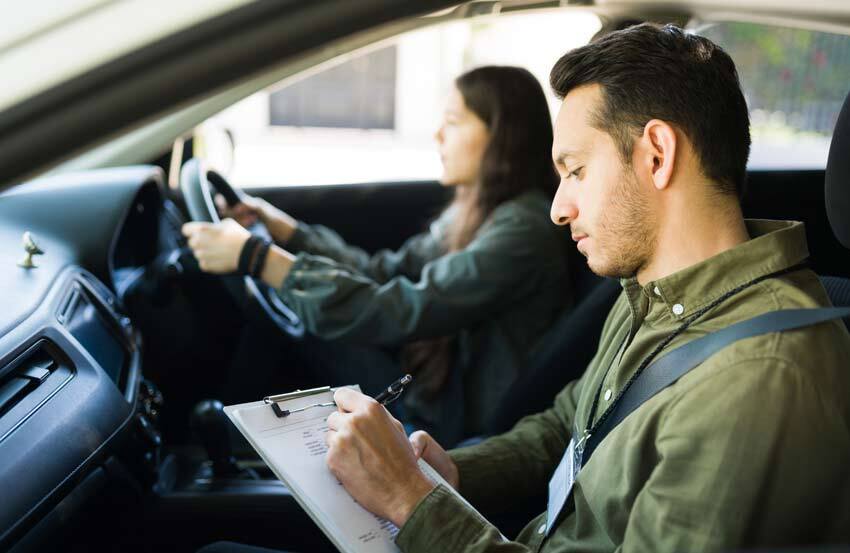
Key takeaways
- Practise regularly and try a few mock tests with your instructor.
- Arrive early on the day so you can relax and get settled.
- Know the test format, including the independent driving section.
- Learn the “show me, tell me” safety checks inside out.
- Watch out for common faults - junctions, mirrors, and manoeuvres are where most learners slip up.
How to pass your driving test: Preparation is key
Passing your UK driving test isn’t just about steering, stopping and parking. It’s also about feeling confident, understanding what the examiner is looking for, and keeping your nerves under control.Let’s be honest, the pressure can sometimes feel worse than handling a tricky roundabout.
The best way to feel ready is to practise as much as you can in real driving situations. Doing a few mock tests with your instructor is a great way to prepare, as it gives you a feel for the real thing.
It’s also important not to overlook the theory test. Knowing the rules, understanding how the practical test works, and recognising the mistakes that catch most learners out can make a big difference.
By combining regular practice with a clear understanding of what the examiner expects, you give yourself the best chance of passing first time, feeling calm, in control, and ready for whatever comes your way.
How long is a UK driving test?
Most UK driving tests last around 35 to 40 minutes. If you’ve been previously disqualified, you might have an extended test, which usually takes about 70 minutes.
During the test, roughly 20 minutes will be spent on the independent driving section - following either satellite navigation or road signs. The rest of the time is for manoeuvres and responding to the examiner’s instructions.
Driving test questions: “Show me, tell me”
You’ll also be asked two vehicle safety questions during your test:
- Tell me - at the start of the test, before you drive, e.g., explaining how to check the headlights.
- Show me - while driving, e.g., demonstrating how to wash the rear windscreen.
Practising these questions beforehand will make you feel a lot more confident on the day.
Top driving test tips for the big day
A few simple steps can make the test feel a lot less stressful:
-
Arrive early - aim to get to the test centre at least 15 minutes before your slot.
-
Make mirror checks obvious - a small head turn shows the examiner you’re checking properly.
-
Keep going if you make a mistake - one tiny slip is usually just a minor fault. Don’t let it throw you off.
-
Follow the sat nav calmly - if you take a wrong turn, don’t panic. You won’t lose marks as long as you drive safely.
Little adjustments like these can make your test day smoother and help you show what you can really do behind the wheel.
How long does it take to pass the driving test?
Learning to drive is different for everyone, but it helps to have a rough idea of what to expect.
The DVSA suggests around 45 hours of professional lessons plus 22 hours of private practice. Some people need more, some less - it depends on confidence and how often you practise.
Most learners take 6 to 12 months from their first lesson to passing the practical test. How quickly you progress depends on lesson frequency, your instructor’s availability, and local test wait times.
The key is regular practice - the more you drive, the more confident you’ll feel behind the wheel.
Common reasons for failing the driving test
Knowing the mistakes that often trip people up can really help you avoid them.
Serious faults - the ones that can lead to a fail:
- Not checking properly at junctions, especially in busy areas or when visibility is poor
- Forgetting to check your mirrors before changing speed or direction
- Losing control during manoeuvres like reverse parking or moving off
Minor faults - smaller mistakes that can add up:
- Stalling the car
- Hesitating too long at junctions or roundabouts
- Poor road positioning
- Not reacting quickly enough to road signs or markings
- Slightly incorrect speed, either a bit too fast or too slow
Spending a bit of extra time practising these tricky areas can make a real difference and help you feel more confident when it’s your turn behind the wheel.




 cookie usage