


If you don't drive many miles each year, you could be classed as a low-mileage driver. But what does that mean for your car insurance? Let's take a look.
Key takeaways
- The average UK driver covers around 6,000-7,000 miles a year - if you drive significantly less, you could qualify for lower insurance premiums.
- Low-mileage drivers can choose from several insurance options, including limited mileage, pay-as-you-go, black box, and temporary cover.
- Limited mileage insurance can reduce your premium if you stay within an agreed annual mileage limit. Exceeding the limit could result in an additional charge.
- Pay-as-you-go insurance works differently - you pay for the miles you actually drive, rather than agreeing to a mileage limit.
- If you won't be driving your car at all, declaring it as SORN may be a better option than cancelling your insurance.
What's classed as low mileage for car insurance?
There’s no set rule for what makes you a low-mileage driver. But if you drive much less than the average UK motorist yearly, insurers are more likely to see you as one.
Driving fewer miles means less time on the road, which cuts your chances of an accident. Many insurers see low-mileage drivers as lower risk, and that could mean cheaper car insurance for you.
As a guide, many insurers consider driving around 6,000-7,000 miles yearly, or less, to be low mileage. Just remember this can vary between providers.
What's the best car insurance for low-mileage drivers?
If you don't drive much, you have a few insurance options that could save you money. Here are your options:
Pay-as-you-go car insurance
Pay-as-you-go insurance, also called pay-per-mile, charges you based on the miles you drive. If you rarely use your car, this could be perfect.
Black box car insurance
Insurers often recommend black box car insurance for new drivers, but it's also great for low-mileage drivers. A small device in your car tracks your driving habits, including your mileage. If you stick to an agreed limit, your insurer could give you a lower premium at renewal.
Temporary car insurance
If you only drive now and then, temporary car insurance could be better than a traditional, yearly policy. It covers you from 1 hour up to 28 days, perfect for occasional use.
But there are a couple of downsides. You'll need to get a new policy every time you drive. Plus, you'll need a Statutory Off Road Notification (SORN) between uses if another policy doesn't cover it.
Limited-mileage car insurance
Limited mileage car insurance suits drivers who don't cover many miles. You agree a mileage cap with your insurer, either self-declared or tracked, in exchange for a lower premium.
Go over the cap, and you could face a surcharge or a higher renewal price. Unlike pay-as-you-go, you're paying a flat premium for staying under an agreed limit, not per mile actually driven.
It's also common in classic and specialist car insurance, often offered in mileage bands such as 1,500, 3,000 or 5,000 miles a year, so it's worth checking if you're insuring a classic car.
Who could benefit from low-mileage car insurance?
Now we've covered the insurance options best suited for low-mileage drivers; let's look at who might benefit the most from these policies:
-
Older drivers. If retirement means you're driving less, a pay-as-you-go policy could be a great fit, ensuring you only pay for the miles you actually drive.
-
Students. If you've moved away for university and only use your car during trips home, temporary car insurance might be the most budget-friendly choice.
-
Car borrowers. If you occasionally borrow a friend or family member's car, a temporary policy or named driver insurance could be the cheapest and easiest way to stay covered.
-
Classic car enthusiasts. If your prized classic only comes out for special occasions, temporary car insurance might be the best way to stay insured without overpaying.
How can I check my mileage?
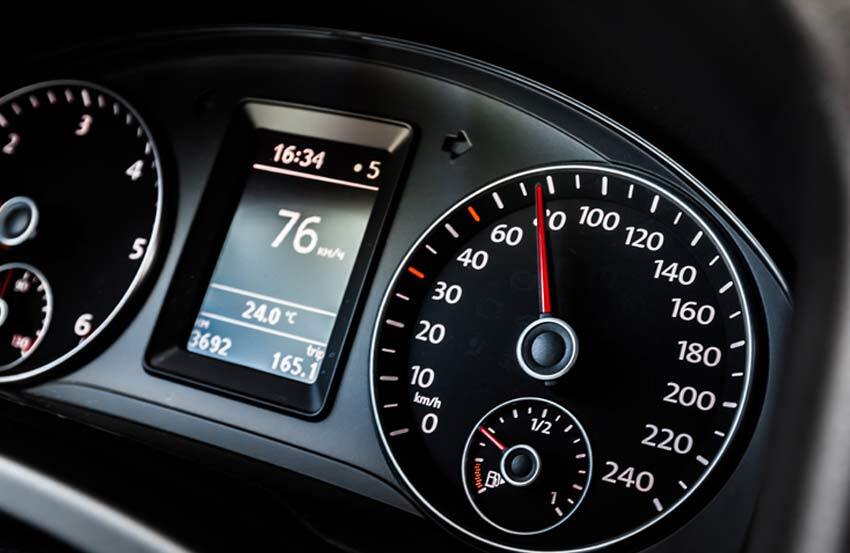
Finding your car's mileage is simple. Just check the odometer:
- Turn on your ignition.
- Find the odometer on your dashboard.
- Read the total mileage shown.
Want to estimate your yearly mileage instead? Our mileage calculator can work it out in seconds.
"Don't just pick the lowest mileage cap to chase a cheaper quote. If your driving creeps over that limit, you're looking at a surcharge - or worse, a complication with your cover exactly when you need it most. Be honest with yourself about how much you actually drive." What our motor insurance expert says


Do I still need to insure my car if I'm not driving it?
Yes, you do. If your car is on a public road, you must insure it – even if it's just parked up.
Keeping it off the road, like in a garage? Then you don't need insurance. You'll just need to apply for a SORN. This tells the Driving and Vehicle Licensing Agency (DVLA) your car isn't in use, so you won't need to insure or tax it.
What else can affect the cost?
Mileage isn't the only thing that affects your insurance price. Here's what else can change it:
-
Your car's insurance group.Every car is assigned an insurance group from 1 (cheapest) to 50 (most expensive). The higher the group, the more you'll likely pay for cover. Use our car insurance group checker to see which group your car is in.
-
Your driving history. Claims, suspensions, or violations tell insurers you're a higher risk. That can mean a more expensive policy.
-
Your age, location, and job. Insurers use these details to work out your risk, which affects your price.
-
The type of cover. Third-party insurance often looks cheaper, but it's usually more expensive. Insurers see drivers who choose it as higher risk. For example, the average third-party policy costs £1,314, compared to £585 for comprehensive cover*.
How else can I save on my car insurance?
Here are some ways to save on car insurance:
Build your No Claims Bonus (NCB)
Staying claim-free earns you an NCB. Just one year of no claims could save you around 30% on your insurance.
Adjust your excess
The most common voluntary excess is typically £250. But if you agree to pay a higher excess when you claim, you could get a lower premium. Make sure the excess is affordable for you!
Add a named driver
Adding a responsible named driver to your policy, like a parent or experienced driver, could reduce your premium.
Renew at the right time
Many insurers offer better rates if you arrange your renewal in advance. Getting quotes a few weeks before renewal could help you save.
Do insurance companies check mileage?
Yes, they do.
Insurers may check your mileage through past MOT records, service history, or black box data if you have a telematics device fitted. They do this to make sure insurance premiums are accurate.
Be honest about your mileage when asked. If the numbers don't add up, your cover could be invalid. This means you'd have no protection when you need it most.
*Confused.com data. Average annual premiums for comprehensive and third-party only car insurance policies, January-June 2026.




 cookie usage