Are you looking for more information about your gas and electricity bills? We've got you covered. Our expert guides cover everything you need to know about your energy bills, from our best money-saving tips and tricks, to understanding different energy tariffs. If you're confused about your energy bills, or you're looking for an energy deal we've answered all of your questions.
At Confused.com, we follow a strict editorial policy to ensure the information we provide is honest, accurate and impartial of any insurer. We also use a panel of experts to review all of our content. Members of the expert panel have been selected based on their unmatched knowledge and experience in the insurance, personal finance and home utilities sectors. They work closely with our product specialists to review all of our content to ensure we are providing accurate information.

Top energy guides

What is collective energy switching?
With collective switching making a comeback, is it something you should be considering when you switch your energy deal?

Average energy bills in the UK in 2025
Energy bills may be dropping, but they remain higher than they were a few years ago. How do your bills compare to the UK average and can you save? Find out here.

How to manage your energy if you rent your home
What are your rights concerning your energy usage if you rent your home? Find out what you can and can't do here.
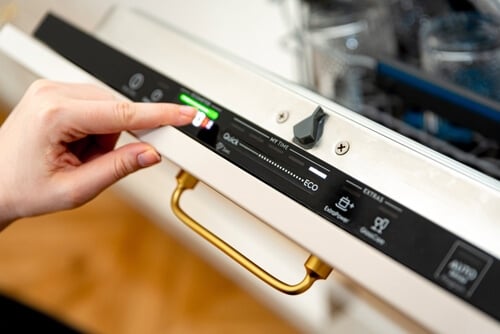
Energy saving tips for the home
Want to find out how to save energy around the home to keep bills down? Find energy-saving tips for every room here.
Need help with something?
Helpful links:
Download our app to claim your rewards



Save money and get organised with our app. Never miss a date with insurance, tax & MOT reminders. Plus get a quick quote in just a few taps.
 cookie usage