


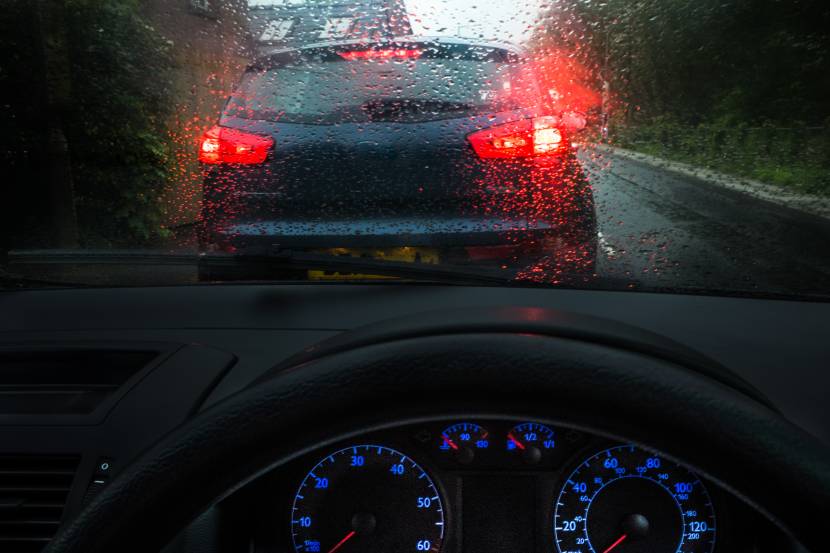
Tailgating is more than just an annoyance. It’s a serious problem that led to the death or serious injury of over 147 people in 2025. Here’s how to deal with it if you find yourself in a tricky situation.
Key takeaways:
- According to National Highways research, over 1 in 8 collisions in the UK involved tailgating.
- Tailgating is an offence under Section 3 of the Road Traffic Act. It is classed as ‘careless driving’ and can lead to legal consequences.
- The penalty you face for tailgating depends on whether you were doing it passively or aggressively.
- If you’re being tailgated, it’s important you don’t brake suddenly, speed up, or retaliate in any way.
- Found yourself in a tricky tailgating situation? Signal with plenty of warning and turn left when it’s safe so that the other driver can pass you.
Our research
In 2025, we conducted a nationally representative survey of 2,000 UK adults via omnibus research expert OnePoll. The survey ran between 2 and 7 May and looked at drivers' attitudes towards tailgating.
According to the drivers we asked, over half (51%) told us they sometimes see other drivers tailgate. And almost 2 in 5 (37%) said it was one of the most annoying driving habits.
But it's more common than you think. Over 1 in 7 (15%) of drivers don't realise they're tailgating. Over 1 in 5 (21%) said they sometimes tailgate. Over half (55%) said they rarely tailgate.
But the consequences of tailgating can be fatal. In fact, research by National Highways shows that tailgating is a factor in at least 1 in 8 collisions on England's motorways and A-roads.
Is tailgating illegal?
Yes, tailgating is classed as a careless driving offence under Section 3 of the Road Traffic Act.
If you’re caught tailgating by the police, you could get a fine of up to £100 and 3 points on your licence. And if your tailgating results in a serious accident, you could get a driving ban or be sent to prison.
But what exactly counts as tailgating? Well, the Highway Code states that all drivers should try to maintain a 2-second gap with the car in front. Any closer than that, and you risk putting yourself and others on the road in danger.
On some stretches of motorway, the space you should leave between the vehicle in front of you is indicated by 2 chevrons. If you’re driving in wet weather, you should aim to at least double that gap. And, if you’re driving in snow and ice, increase this to a 20-second gap.
Why do people tailgate?
We asked tailgaters exactly why they tailgate. Here's what they told us:
| Reasons for tailgating | Percentage of tailgaters |
|---|---|
|
Other drivers are going too slowly
|
53%
|
|
I get impatient
|
40%
|
|
I'm trying to encourage them to move out of the way
|
30%
|
|
I don’t realise I’m doing it
|
15%
|
|
Because I'm driving too fast
|
7%
|
|
None of the above
|
8%
|
|
Prefer not to say
|
1%
|
In some cases it’s a bullying tactic. For example, the tailgater might want to intimidate you and get you to move out of their way.
Or it could be that they’re in a hurry. Over half (53%) said that they tailgated because the car in front was driving too slowly.
Around 2 in 5 (40%) said they tailgated because they get impatient. And almost a third (30%) tailgate to encourage people to move out of the way. More than 1 in 7 (15%) said they didn't realise they were doing it.
None of these are excuses for tailgating, though.
How to deal with tailgaters
How you deal with a tailgater depends on whether they're:
- Aggressive - have the clear intention of passing you. They’re likely to actively drive up your rear in a fashion that says ‘get out of my way.’
- Passive - no real intention of passing you and are happy for you to take the lead, but simply drive too close.
How to deal with aggressive tailgaters
If you're being followed by an aggressive tailgater, you should:
- Let them pass safely
- Don’t provoke them
- Avoid road rage
It can be tempting to hold them up or think up tricks that make them angry - like gesturing in the rear-view mirror.
Peter Rodger, former head of driving advice at IAMRoadSmart, says:
"The thing is with these drivers, they’re already aggressive. So they’re not about to back off.
"Anything you do to try and make them back off will just make them more unpredictable."
You could easily trigger road rage if you react to tailgaters, and this is only going to make the situation worse.
How to deal with passive tailgaters
If you have a passive tailgater:
- Don't speed up - you’ll only start tailgating the car in front of you
- Don't brake sharply or flash your lights
- Ease off the accelerator - if there’s a collision, there should be less damage at slower speeds
Rodger says:
"Always leave plenty of space in front and avoid braking sharply. Flashing your brake lights isn’t going to help. It’s better to just ease off your accelerator."
This is because if you repeatedly brake, the flashing of your brake lights might start to lose impact.
It’s better to slow down gradually with your foot off the accelerator.
Then, if you do need to brake suddenly, the brake light should hopefully prompt the tailgater to take some evasive action.
This won’t entirely eliminate the risk of an accident. But at least there might be less damage at a slower speed.
And, if there's a car insurance claim or the police get involved, you’re less likely to be found at fault.
What damage can tailgating cause?
You might see this damage to your car if you're in a tailgating collision:
- Damage to your boot
- Broken rear lights
- Dents to bodywork
- Scratches to the paintwork
- Cracked licence plates
- Issues with wheel alignment
- Broken rear windows
Some drivers have claimed on their car insurance to fix the damage caused by tailgaters. Unfortunately, this could also push up your car insurance costs even if the damage wasn't your fault.
“It’s worrying to see that tailgating is still happening on UK roads. It’s also concerning that drivers know it’s an offence, but they still do it.
“If you’re hit by a tailgater, make sure you follow our steps on what to do after a car accident.
“When it's safe, take photos and witness information so you have plenty of evidence when you make a claim.
“Describe the tailgating behaviour that caused the accident to your insurer. If you’ve followed the road safety rules your insurer should support your claim.”
What our car insurance expert says





 cookie usage