






1. Home
  2. Home insurance
  3. Buildings insurance

Buildings insurance

Insure your home for an average of £162* with buildings insurance

Retrieve a quote
Rewards image with rewards partner images. Get a £20 gift card plus free hot drinks when you buy car, van or home insurance with confused.com

*Prices taken from Confused.com data, Q2 2026. Median cost for buildings insurance policies. On average, customers paid £161.80 for buildings insurance, based on 54,454 quotes.

**Single annual policy. App only. Maximum claim limit. One regular hot drink per month for a year, only available via the Confused.com app. T&Cs apply.

1Correct as of July 2026

Trustpilot logo
Rated Excellent - 4.5 out of 5

Compare up to 93 trusted insurance companies1 all in one place

What is buildings insurance?

Buildings insurance is part of home insurance. Where contents insurance protects what’s in your home, buildings insurance insures the structure itself.

Building insurance can protect you financially if your home’s structure is damaged by events like storms, fires, and floods. It covers your home’s roof, walls, floors, and permanent fixtures like your bathroom or kitchen.

It can also cover the structure of outbuildings, such as garages or sheds, depending on the policy, in case they’re damaged.

Who needs buildings insurance?

Buildings insurance isn’t a legal requirement, but if you have a mortgage, your lender probably requires you to have buildings insurance to protect their investment.

If you’re buying a house, you’ll usually need to make sure you’ve got an active buildings insurance policy from when you exchange contracts. Even though you’re not living in the property yet, you’re legally responsible for it from this point onwards. Your mortgage lender will generally require proof of an active policy before releasing funds to complete the purchase of your home.

Here are some examples of who might need home insurance, and how it could help them:

Homeowners with a mortgage

If you have a mortgage on your home, and it’s a freehold property, buildings insurance is usually your responsibility.

If you share the freehold with others, you might have a residents’ management company or nominated freeholder who takes care of this, but it’s worth reviewing the policy regularly to ensure the rebuild costs reflect any changes to the property.

If the responsible party in a shared freehold agreement lets the policy lapse, you’re all at risk of not being covered.

Mortgage-free homeowners

If you own your home outright, there’s no obligation for you to buy buildings insurance. However, it’s important to consider whether you could afford repairs, or even a full rebuild, if needed.

Buildings insurance can offer you peace of mind that if the worst happened, rebuild or repair costs would be covered.

Leaseholders

Leasehold flats: If you own a leasehold flat, you won’t be responsible for arranging buildings insurance. This is the responsibility of the freeholder. However, many freeholders charge an annual service fee that covers the cost of buildings insurance.

Buildings insurance won’t cover your belongings, though. For this, you’ll need to take out your own contents insurance policy.

Leasehold houses: If you’re the leaseholder of a house, the responsibility for arranging buildings insurance usually falls on you, not the freeholder. Always check your lease agreement to confirm who is responsible. Your conveyancer can also advise on this.

A tip from our expert, Matthew:
As a leaseholder, you’re entitled to ask to see the details of the buildings insurance policy that’s in place, including the insurer, level of cover, and what’s included and excluded.

Landlords

If you rent out a property to tenants, it’s your responsibility as the property owner to ensure there’s sufficient buildings insurance in place. This helps protect your investment in case the property is damaged or completely destroyed and needs repairs. Depending on the policy, landlord insurance can also provide additional protection tailored to the risks of renting out a property.

Renters

If you live in a property you rent, your landlord is responsible for buildings insurance.

However, their buildings insurance won’t cover your personal belongings. So, if you want to make sure you’re covered in case anything happens to your things, you’ll need your own contents policy in place.

Why compare buildings insurance with Confused.com?

Compare buildings insurance in minutes

Fill out our quote form to get quotes in minutes. Plus, we’ll remember your details for next time.

We’re rated ‘Excellent’ by our customers

Our customers rate us 4.5/5 and 'Excellent' on Trustpilot. Read what they have to say about us.

See prices from up to 93 trusted insurance companies1 

We compare 93 different products from more than 40 different home insurance providers.

How much does buildings insurance cost?

According to our data, the average price of buildings insurance is £162*.

The cost of buildings insurance can vary depending on a number of factors, including:

Number of bedrooms

The more bedrooms you have, the bigger your house generally is, and the more doors and windows there are that could potentially get damaged. Bigger homes tend to cost more to rebuild, so the cost of buildings insurance usually increases with the number of rooms you have.

Number of bedrooms Average price of buildings insurance2
2
£128
3
£146
4
£197
5
£289

Rebuild value

The more expensive your property would be to rebuild from scratch, the more expensive your buildings insurance is likely to be.

Property rebuild value Average price of buildings insurance3
£100k-£150k
£130
£500k-£550k
£278
£700k-£750k
£340

Property location

Your location can impact things like the cost of labour and materials if your house needs repairs or rebuilding.

Region of the UK Average price of buildings insurance4
Greater London
£236
Greater Manchester
£137
Edinburgh
£183
Wrexham
£122

Property age

Older homes can be more expensive to insure. This is generally due to older building methods or materials that are harder to source or that require specialist tradespeople to carry out repairs. Older properties, especially listed buildings, might also need special permissions before work can be carried out.

Year built Average price of buildings insurance5
Pre-1900
£260
1950-1960
£158
2000-2010
£128
2010-2020
£103

Flood risk

If your property is at risk of flooding, you might pay more for buildings insurance due to the increased chances of you needing to claim on your policy.

Subsidence

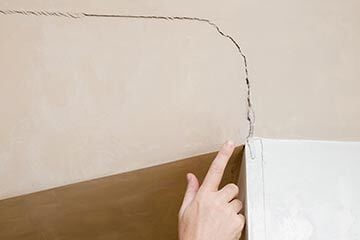
If your property has a history of subsidence, even if it’s resolved, you must declare it when buying buildings insurance. A history of subsidence can increase how much you pay overall for your buildings insurance.

A tip from our expert, Matthew:
Subsidence insurance typically has a higher excess than other parts of a buildings insurance policy. For example, it might be £1,000 for subsidence claims compared to £250 for damage caused by a break-in. This is because subsidence claim payouts are often higher, and the repairs process can be more complex.

The rising cost of buildings insurance…

According to the ABI, insurers have already paid out a record £846 million in home insurance claims in the first 3 months of 2026, and 2025 saw the highest annual total ever recorded at £6.1 billion. Extreme weather was a major driver, with flood insurance payouts alone rising 38% year-on-year to £312 million. The Building Cost Information Services (BCIS) predict that there will be a further 15% rise in rebuild costs by 2030. These aren’t abstract statistics. At Confused.com, we see the real-world impact of this in the quotes we generate, and homeowners who haven’t reviewed their buildings insurance recently might be paying more than they need to.

“Our data6 shows that the average buildings insurance premium in Q2 2026 was £159.15, which is below the market-wide average of £306 reported by the ABI. That gap exists because comparison works. If you haven’t reviewed your policy recently, your next renewal is a good time to see if you could save any money on your buildings insurance.”


Matthew Harwood, Home & lifestyle insurance expert at Confused.com
Home & lifestyle insurance expert Confused.com logo

What does buildings insurance cover?

Remember:
Buildings insurance covers the cost of repairing or rebuilding your property if it’s damaged by unexpected events. Exact cover can vary between insurers. Always check the terms of your policy to understand what’s included.

Tick

What's typically covered:

Structural damage:

Your home’s roof, walls, windows, doors and floors are covered in case they’re damaged by weather, fire or flooding.


Permanent fixtures:

Built-in features like your kitchen cabinets, bathroom fixtures and fitted wardrobes (but not their contents) are covered.


Damage caused by weather events:

Storms, floods, and other natural events can cause damage to your property. Buildings insurance typically covers this.


Theft and vandalism:

Damage caused by break-ins or vandalism is covered.


Subsidence:

If your home is damaged by the ground underneath it shifting, you’re usually covered. Subsidence cover generally comes with a higher excess due to expensive and complex repairs.


Vehicle damage:

If a vehicle is driven into your property and causes damage, buildings insurance can cover the cost of repairs to your home.


Cross

What’s typically excluded:

Wear and tear:

Gradual deterioration over time from normal use isn’t covered.


Poor maintenance:

Damage resulting from neglect or lack of maintenance isn’t covered.


Frost damage:

If your external pipes burst or brickwork is damaged by freezing temperatures, you usually won’t be covered, as this is considered a lack of maintenance.


Rising damp:

Damage caused by damp is generally not covered as this is considered a result of poor maintenance.


Renovation damage:

You must tell your insurer before any building work begins if you plan to undertake any renovations. Make sure you reassess your rebuild value once the work is finished, too.


Deliberate damage by a household member:

If someone in your household causes deliberate damage to the property, it’s unlikely that your insurer will cover the cost of repairs.


Damage caused by pests:

Buildings insurance doesn’t usually cover damage caused by infestations of pests, insects or birds.


Pre-existing damage:

For example, if subsidence existed before you bought your policy, you’re unlikely to be covered.


Get £20 to spend with 100+ brands plus year-round hot drinks when you buy**

How to claim
Rewards image with rewards partner images

**Single annual policy. App only. Maximum claim limit. One regular hot drink per month for a year, only available via the Confused.com app. T&Cs apply.

What extra cover can I add to my buildings insurance?

When you compare buildings insurance, you can add:

Accidental damage cover

This can cover damage to the structure of your home. For example, if you accidentally put your foot through the ceiling while working in the attic, or if you accidentally break a window.

Legal expenses cover

This can cover your legal fees if you end up in a dispute regarding your property and need to go to court. It also often includes access to a legal advice helpline.

Home emergency cover

Home emergency insurance can cover the cost of calling out tradespeople for repairs in case of emergency. For example, if a pipe bursts and you need to call out a plumber.

Boiler breakdown cover

If your boiler breaks down, this can cover the cost of repairs or a replacement. This can be especially useful if your boiler is no longer covered under warranty.

Alternative accommodation cover

If your home becomes unsafe to stay in, this covers the cost of staying somewhere else while your property is repaired.

Trace and access cover

If you’ve got a water leak, a trace and access insurance add-on can cover the cost of locating the source.

What information do I need to compare buildings insurance?

You’ll need the following information:

Details about you

We’ll need information like your job title, how many occupants live in the property, your age and marital status.

Details about your home

Let us know the type of property, building materials, age, and whether it has any non-standard features.

Level of cover

You can add extra cover to your policy, like accidental damage or home emergency cover, if you’d like the extra protection.

Our customers say:

4.5 green stars

4.5 rating based on 14507 reviews
as of 10/08/2026

Trustpilot logo

What is rebuild value?

Your rebuilds value is how much it cost to knock down your home and build it back up from scratch - not what your home would sell for on the property market. Insurers use this figure, rather than market value to set up your buildings insurance.


Play Video: What is the rebuild value of my home? | Home insurance tips

Key points from the video:

  • You can find your rebuild cost on your insurance policy, your mortgage report, a home insurance quote, or by using a rebuild cost calculator.
  • Key factors include property type, size, age, number of rooms, materials, location, and local labour costs.
  • Getting the figure right matters: underestimating means you won't have enough cover if you need to rebuild, while overestimating means you're paying more for your policy than you need to.
Note:
Market value includes the price of the land your home sits on and what buyers in your area are willing to pay. Rebuild value strips all of that out and only covers the cost of the bricks, labour and materials needed to reconstruct the structure itself.

How does the rebuild cost of my house affect buildings insurance?

When comparing buildings insurance quotes, you’ll need to know your home’s rebuild cost. This will help you determine how much cover you need.

The rebuild cost of your home is not the same as its market value. The market value is how much your property could sell for, based on factors like location, size and market conditions. The rebuild value is how much it would cost to completely rebuild your home from scratch, if needed.

An inaccurate rebuild cost estimate can impact whether you’re suitably covered if the worst happens. Underestimating your home’s rebuild cost can mean your insurer decreases your overall payout in the event of a claim, or they can cancel your policy altogether. This can leave you with a bill of thousands of pounds to pay out-of-pocket if your home needed repairs or rebuilding.

A tip from our expert, Matthew:
The most reliable way to find out your home’s rebuild cost is to hire a professional RICS surveyor. Alternatively, you can find this amount using our rebuild cost calculator. We’ll also automatically estimate this for you when you’re filling out our quote form.

Calculate your rebuild cost with our tool

What affects my home’s rebuild value?

There are various factors that can influence rebuild cost, including:

Property age:

Older or listed buildings may require specialist materials and planning approval before any repairs or rebuilding can take place. Especially if your home is of significant architectural or historic interest.


Building materials:

Properties with thatched roofs or steel or timber frames are generally considered non-standard. These non-standard materials can make repairs more expensive or increase the risk of damage.


House size:

The number of doors, windows, and rooms in your house all influence how much it might cost to rebuild. The more there are, the more it could cost to replace them. Outbuildings, like garages, are also factored into this.


House type:

Whether your home is detached, semi-detached, a flat, or terraced can influence how difficult it is, and therefore how expensive it is, to rebuild or repair the property.


Tips to lower your building’s insurance costs

  • Compare your options:

    Don’t let your policy autorenew. Comparing quotes is one of the easiest ways to find the cover you need at a better price. You could save up to £215** on your home insurance by comparing policies. When you compare with Confused.com, we’ll beat your renewal, and if we can’t, we’ll pay you the difference plus £20.


  • Use a rebuild cost calculator:

    Don’t just guess how much your home would cost to rebuild. This might lead to you being overinsured and paying for cover you don’t need. Or, you might underestimate and be left thousands of pounds out-of-pocket, having to foot the bill for repairs yourself.


  • Pay annually:

    If you can afford it, paying annually usually works out cheaper than paying monthly. This is because insurers add admin fees and interest to monthly payments.

  • Build your no-claims bonus (NCB):

    For every year you hold buildings insurance without making a claim, you’ll get a year of NCB added. This can lead to lower insurance prices.


  • Choose combined home insurance:

    If you want to insure your belongings as well as your property, taking out combined buildings and contents cover can be cheaper than separate policies thanks to reduced admin and a single claims handler.


  • Increase your excess:

    This is the amount you pay towards any claims. If you can afford to, increasing your home insurance excess can help lower the initial cost of your buildings insurance.


**Based on data provided by Consumer Intelligence Ltd, www.consumerintelligence.com (April ‘26). 51% of home insurance customers could save £215.37 on a combined policy.

What are Defaqto ratings and why should you care about them?

Defaqto is an independent company that specialises in rating insurance products, including buildings insurance. They rate products from 1 to 5 stars based on the policy features they offer. Policies with more than 3 stars generally offer more comprehensive cover.

It’s worth keeping an eye out for the Defaqto ratings when you’re comparing buildings insurance quotes - they’ll be shown next to each policy. This can help you make a more informed decision.

Defaqto star ratings from 5 to 1

Learn more about Defaqto ratings for home insurance.

Types of home insurance

Frequently asked questions

Does buildings insurance cover roof repairs?

Buildings insurance can cover roof repairs, depending on the cause of the damage. Buildings insurance covers sudden, unexpected damage to your roof, like storm damage, fallen trees, or tiles dislodged by severe weather. If your roof is damaged by an insured event, your policy should cover the cost of repairs or, in serious cases, a full replacement.

However, it won’t cover wear and tear. A roof that’s deteriorated over time or developed leaks due to age, for example, is usually considered a maintenance issue. These types of issues are your responsibility as the owner, not the insurance company’s. Similarly, if a claim arises because a roof was already in poor condition, insurers may reduce or reject the payout on the basis that proper upkeep wasn’t maintained.

If any part of your home has a flat roof, it may be excluded from standard cover. Flat roofs carry a higher risk of leaks and weather damage. If your property has a flat roof, it’s worth checking your policy wording carefully to understand what’s included.

Can you get buildings insurance for a new build home?

Yes, and if you’re taking out a mortgage on a new build home, your lender will normally require it to be in place before completion. From the point of exchange, you have a legal interest in the property and hold the financial risk if something goes wrong, so cover should be in place from that date, not just from when you get the keys.

It’s important that your insurer knows the house is a new build. Some standard policies have exclusions or conditions that apply specifically to new builds, particularly around defects that should be covered by the structural warranty rather than claimed on buildings insurance.

How do I make a buildings insurance claim?

This depends on what you’re claiming for. If the claim was the result of a crime, like vandalism or a break-in, for example, contact the police first and get a crime reference number. You’ll need this when you speak to your insurer.

You typically have up to 180 days to make a claim, and most insurers offer a 24/7 claims line. Before you call, have your policy number and documents to hand. Your insurer will want to know what happened, when, and what you’re claiming for. You’ll usually need to provide:

  • A detailed account of what caused the damage, plus your crime reference number if applicable
  • Evidence of the damage. Photographs or video footage work well
  • Receipts or proof of purchase for anything you’re claiming for

You should avoid arranging repairs before you’ve spoken to your insurer. There may be exclusions in your policy, and in some cases, your insurer will arrange the repairs themselves. If urgent repairs are needed before you can speak to your insurer, keep all evidence of the damage and hold onto any invoices for work carried out.

For larger or more complex claims, your insurer may send a loss adjuster to assess the damage.

What’s the difference between buildings insurance and contents insurance?

The simplest way to think about the difference between the two is that buildings insurance covers the structure of your home, and contents insurance covers what’s inside it. Many people choose to buy both as a combined home insurance policy, which often works out cheaper than purchasing them separately.

Feature Buildings insurance Contents insurance
What it covers
The structure of your home - for example, the walls, roof, floors, and foundation
Your personal belongings - for example, your furniture, clothing, electronics
Permanent fixtures
Yes - fitted kitchens, bathrooms and built-in wardrobes are covered
No
Moveable items
No
Yes - as a general rule of thumb, contents insurance covers the things you’d take with you if you moved
Who needs it
Homeowners (unless you own a leasehold flat) - it’s usually a requirement of your mortgage lender
Homeowners and renters
Typical events covered
Fire, flood, storm, subsidence, vandalism
Theft, damage, loss

Will buildings insurance cover non-standard construction?

Yes, it’s possible to find buildings insurance that covers non-standard construction homes. Non-standard construction covers a wide range of property types, including:

  • Timber or steel-framed homes
  • Thatched roofs
  • Properties with flat roofs
  • Concrete construction (including prefabricated concrete)
  • Properties with wattle and daub, cob, or clay walls
  • Listed buildings

Non-standard homes can be more complex to cover. There may be fewer providers willing to offer a policy, and premiums can be higher for non-standard home insurance. This is mainly because specialist materials and tradespeople are often required for repairs, and those come at a cost.

It’s important to be upfront about your property’s construction type when getting a quote, as failing to disclose it accurately could invalidate your policy.

Is my garage considered a room?

No. When insurers ask about the number of rooms in your property, they’re referring to habitable spaces. This means rooms designed for living in, with ventilation, weather-proofing and insulation. Garages don’t meet that definition.

That said, your garage and any outbuildings are still covered under a standard buildings insurance policy, even though they don’t count as rooms. They’re protected against the same events as the main structure, so you don’t need to arrange separate cover for them, even if they’re not attached to your main property.

Am I covered for renovations and extensions to my house?

Standard buildings insurance policies don’t automatically cover properties undergoing building work, such as renovations or extensions. If your builder causes structural damage or an accidental leak during a renovation and you haven’t told your insurer about the ongoing work, your claim could be rejected.

Depending on the scale of the work, your insurer might update your existing policy, charge an additional premium, or recommend specialist renovation insurance.

Once the work is complete, you’ll also need to update your insurer to reflect the changes to the property. The work could have added an additional room to your house, which could increase the rebuild value, for example.

Can I get buildings insurance in a flood risk area?

Yes, although your options may be more limited and your premium is likely to be higher.

If standard insurers won’t cover you due to flood risk, the Flood Re scheme exists specifically to help. Flood Re is a joint initiative between the UK government and insurance companies that allows insurers to pass the flood risk element of a policy into a shared pool. This keeps premiums more affordable for homeowners in high-risk areas.

If your insurer participates in the Flood Re scheme, the flood portion of your premium is capped based on your council tax band.

You can check the flood risk for your house on the GOV.UK website or by using our flood risk map.

Does buildings insurance cover subsidence?

Most standard buildings insurance policies include cover for subsidence, but it’s one of the more expensive aspects of a policy to claim on. Subsidence excesses are typically higher (around £1,000, for example). This is due to repairs often being more complex and expensive.

It’s important to declare any history of subsidence when taking out a policy. If your property has been affected before, even if it was resolved, you must disclose it. Failing to do so could result in your policy being invalidated.

Is flooring covered by buildings insurance?

This depends on the type of flooring and how it’s fitted. For example, hard flooring, such as wood, laminate or tiles that are glued or nailed down, is generally considered to be part of the property’s structure. This means it falls under buildings insurance.

On the other hand, carpets are typically covered by contents insurance because they’re not permanently fixed and could be lifted and moved.

It’s important to check your policy documents to understand exactly what’s covered by your buildings insurance.

Are leaks covered by buildings insurance?

Usually yes, as long as the leak is sudden and unexpected. Insurers refer to this as ‘escape of water’, which covers things like burst pipes, your washing machine or dishwasher suddenly leaking, or a boiler overflow causing damage to the structure of your home.

You won’t usually be covered for gradual leaks. For example, a slow drip from a pipe that’s been gradually causing damage over months. Insurers expect homeowners to identify and deal with these kinds of issues as part of normal maintenance, so a claim for long-term water ingress is likely to be declined.

Your policy might also include trace and access cover, which covers the cost of finding where a leak is coming from, not just fixing the damage caused. If your policy doesn’t include this as standard, it might be available as an add-on for an extra fee.

How do I find out when my property was built?

You can use our house build date tool - just enter your postcode and it’ll give you an instant estimate.

You can also find out when your home was built by checking:

  • Your title deed - This is the most reliable source. It contains proof of ownership and usually includes the build date. If you don’t have a copy, your conveyancer should be able to help.
  • HM Land Registry - This is the most reliable source. It contains proof of ownership and usually includes the build date. If you don’t have a copy, your conveyancer should be able to help.
  • Your local authority - Local planning departments sometimes hold historical records, particularly for older properties or houses in conservation areas.

What can invalidate buildings insurance?

The most common reasons a buildings insurance claim gets rejected are inaccurate information provided when getting a quote and poor maintenance of the house.

When you take out buildings insurance, you’re asked questions about your property. It’s important to answer these honestly and keep the information up-to-date. Common ways policies are invalidated include:

  • Leaving the property unoccupied for longer than your policy allows (usually 30-60 days) without notifying your insurer or arranging specialist unoccupied home insurance
  • Carrying out renovations or building an extension without telling your insurer beforehand
  • Failing to report damage that could affect future claims
  • Using the property for business purposes without declaring it
Your insurer will expect you to keep the property maintained to a reasonable standard. A claim that stems from neglect (like a roof left in disrepair, for example) is unlikely to be paid out. When in doubt, a quick call to your insurer before a situation changes is always better than a rejected claim after the fact.


Can I get buildings insurance even if I don’t own the property?

Typically, buildings insurance assumes you have an ‘insurable interest’ in the property. This means that you have a financial stake in the property and would suffer a genuine financial loss if the property was damaged or destroyed.

In practice, this most commonly applies when you’re in the process of buying a property. From the point of exchange, the legal risk passes to the buyer, so it’s standard practice (and often a mortgage condition) to have buildings insurance in place from that date, even if you haven’t yet completed.

It can also apply in situations like inheriting a property where you may need to arrange buildings insurance before ownership is formally transferred. In cases like these, the key thing is whether you have a legitimate financial interest in the property. If you’re unsure whether your circumstances qualify, it’s worth speaking to your insurer.

Does buildings insurance cover solar panels?

In most cases, yes. Solar panels that are permanently fixed to your roof are considered part of the structure of your house, which means they’re often covered under a standard buildings insurance policy.

If you’ve already got buildings insurance before having solar panels fitted, there are a few things worth knowing:

  • Tell your insurer when panels are installed - Solar panels add value to your property and can increase its rebuild cost. If you don’t update your current insurer when they’re fitted, you risk being underinsured, meaning any payout may not cover the full cost of replacement.
  • Check what’s actually covered - Some policies cover the panels themselves but not the components that make them work (inverters, wiring, and battery storage systems, for example). These can be expensive to replace, so it’s worth knowing the level of cover you have.
  • Accidental damage may not be included as standard - If a panel is cracked or broken accidentally rather than as the result of an insured event like a storm, you may not be covered unless you have accidental damage cover added to your policy.
  • Panels that are not fitted to your roof may be treated differently - If your panels aren’t fitted to your roof, check whether they’re covered under your policy. They may be covered by contents insurance instead.
  • Selling energy back to the grid may affect your cover - If you’re generating income by selling energy back to the grid, it’s also worth checking whether your insurer requires you to declare this. Some providers consider this to be using your home for business purposes, which can affect your cover if not disclosed.

The simplest way to make sure you’re properly protected is to contact your insurer directly when panels are installed, confirm the updated rebuild value, and ask specifically about the components and scenarios listed above.

Buildings insurance guides to help you

Explore more guides

Methodology

2Prices taken from Confused.com data, Q2 2026. Median cost for buildings insurance, depending on the number of bedrooms. The median price customers paid for buildings insurance in this period was £128.36 for a 2 bedroom house, £145.73 for a 3 bedroom house, £197.31 for a 4 bedroom house, £288.60 for a 5 bedroom house.

3Prices taken from Confused.com data, Q2 2026. Median cost for buildings insurance, depending on estimated rebuild cost. The median price customers paid for buildings insurance in this period was £130.16 for houses with an estimated rebuild value between £100,000-£150,000, £277.59 for houses with an estimated rebuild value between £500,000-£550,000, £339.70 for houses with an estimated rebuild value between £700,000-£750,000.

4Prices taken from Confused.com data, Q2 2026. Median cost for buildings insurance, depending on property location. The median price customers paid for buildings insurance in this period was £236.49 for buildings insurance on properties located in Greater London, £136.84 for properties located in Greater Manchester, £183.31 for properties located in Edinburgh, £122.41 for properties located in Wrexham.

5Prices taken from Confused.com data, Q2 2026. Median cost for buildings insurance, depending on when the property was built. The median price customers paid for buildings insurance in this period was £259.75 for properties built pre-1900, £157.89 for properties built between 1950-1960, £128 for properties built between 2000-2010, £103 for properties built between 2010-2020.

6Prices taken from Confused.com data, Q2 2026. Median cost for buildings insurance policies. On average, customers paid £159.15 for buildings insurance in this period, based on 97,925 quotes.

7Prices taken from Confused.com data, Q2 2026. Median cost for buildings insurance policies with accidental damage cover added. On average, customers paid £170.57 for buildings insurance with accidental damage in this period, based on 23,922 quotes.

Compare buildings insurance quotes

Get a quote