


Windy weather can make driving a bit of a challenge. From sudden gusts to poor visibility, it’s important to know how to stay safe when the wind picks up.
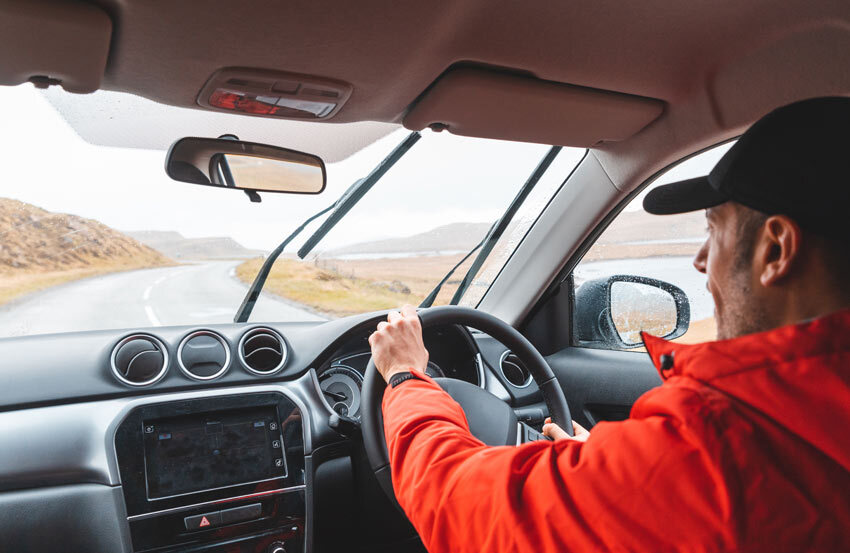
Key takeaways
- Check the Met Office forecast before you travel - amber and red warnings mean you should seriously consider delaying your journey
- Plan your route in advance: stick to main roads and avoid exposed locations like bridges, open moorland, and coastal stretches
- Slow down, keep both hands on the wheel, and give lorries, caravans, and motorcyclists extra space
- Watch out for sudden gusts where wind funnels - bridge openings, gaps in hedges, building gaps in towns
- If you break down, put your hazard lights on, stay in your vehicle, and call your breakdown provider
When is it considered too windy to drive?
Worried about driving in the wind? Good call. There's no legal speed limit for wind, but certain speeds make driving much riskier. How windy it is, your vehicle, and road conditions all play a part.
The Met Office issues three levels of weather warnings to help drivers assess the risk:
-
Yellow. Be cautious. Strong winds can disrupt travel and create hazardous driving conditions, especially on exposed roads and bridges.
-
Amber. Only travel if your journey is essential. Strong winds make driving dangerous, with an increased risk of accidents and road closures.
-
Red. Stay at home unless instructed otherwise. These winds pose a risk to life, and travel is strongly discouraged.
Even without official warnings, wind can still cause trouble. Around 25mph, lighter vehicles - like motorbikes, vans, caravans, and anything towing a trailer - will start to feel crosswinds. If you're driving one, take extra care, especially on exposed roads.
For most drivers, winds between 40-45mph are a good time to rethink your journey. This is especially true on driving on motorways, bridges, or rural roads where gusts can be stronger than forecast.
Winds over 40mph are dangerous for most drivers. Hit 50mph, and even experienced drivers will struggle to control their vehicle, especially in exposed areas.
Always check the latest local weather forecast and road conditions before setting off, as wind gusts can vary significantly by location.
Driving in 50mph winds
Driving in 50mph winds needs extreme care. Sudden gusts can throw your vehicle off course with no warning. If you have to travel, get ready for:
- Strong crosswinds: These can push your vehicle sideways without warning, especially on motorways, open roads, bridges, and viaducts. Keep both hands firmly on the wheel and slow down.
- Flying debris: Branches, loose signs, wheelie bins, and other objects can blow into your path. Leave more space between you and the car in front to give yourself time to react.
- Unpredictable vehicle handling: Your steering will feel unstable as gusts come and go. Avoid sudden steering, braking, or accelerating - these make it harder to stay in control.
- High-sided vehicles at greater risk: Vans, lorries, motorhomes, caravans, and anything towing a trailer are especially vulnerable to strong crosswinds. If you're driving one, think about delaying your journey until the wind drops.
- Hazards from trees and power lines: Strong winds mean more fallen trees, branches, and other road blockages. Stay alert, especially on rural roads.
If your journey isn't essential, it's usually safest to put it off until the wind calms down. If you do need to travel, slow down, leave extra stopping distance, and stay alert for changing conditions throughout your journey.
Before you set off - planning your journey in windy weather
Strong winds can make driving feel stressful. But a little prep before you set off can make a big difference to your safety - and help you avoid nasty surprises.
Check the forecast first
Always check the weather before you go. Use the Met Office site or app to see what wind speeds and gusts are forecast. Conditions can change fast, so if there's an Amber or Red warning, it's best to delay your trip. Only travel if you absolutely have to.
Listen to traffic updates
Traffic updates are your friend. Check them before you leave and keep them on during your drive. Your radio or sat nav can help you avoid road closures, fallen trees and flooded roads, reducing your risk of storm damage to your vehicle. This is especially important during named storms (officially named severe weather events), when motorway rules can change in a flash.
Plan your route in advance
Map out your journey before you start. It means you won't be making snap decisions when the wind's trying to push you around. Planning ahead helps you stay focused on the road, especially when crosswinds make sudden moves tricky.
Choose main roads where possible
Got a choice of roads? Stick to the main ones. They're usually better looked after, brighter, and get cleared quicker if trees or debris fall. Smaller roads, especially through woods or open moorland, are more likely to be hit by fallen branches, floods, and strong crosswinds.
Remove your roof box
If you don't need your roof box, take it off. It acts like a sail, catching the wind and making your car less stable, especially at speed. Ditching any roof-mounted gear you don't need will help your car handle better in the wind.
Check your tyres
Give your tyres a quick check. Check your tyre pressure and tread depth to make sure they're in good condition. Good tyres mean better grip and a more stable car when those strong gusts try to pull your steering.
How to drive safely in strong winds
-
Slow down. Lower speeds give you more time to react if a gust pushes your car sideways. It also makes it easier to avoid debris and keep control.
-
Keep both hands on the wheel. Hold it firmly so you're ready to correct your course if a crosswind hits.
-
Keep your distance. Leave a bigger gap between you and the car in front. Extra space gives you more time to react if traffic slows or debris appears.
-
Give high-sided vehicles extra space. Lorries, buses, coaches, and vans are easily pushed by crosswinds and might drift. Overtake with care, and expect sudden changes in wind pressure as you pass.
-
Use dipped headlights if visibility is poor. Strong winds often bring heavy rain or spray. Dipped headlights help you see and make your car more visible to others.
-
Stay alert for hazards. Watch for fallen branches, loose debris, wheelie bins, and anything else blown into the road. Scan ahead to give yourself plenty of time to react.
Where crosswinds hit hardest
Some roads are more exposed to strong gusts than others. Drive with extra care through:
-
Bridges and viaducts.. Winds are often strongest and most unpredictable here. Some have lower speed limits or restrictions for high-sided vehicles in severe weather.
-
Gaps in hedgegrows and trees. Wind can funnel through these openings, creating sudden gusts as you leave a sheltered spot.
-
Open stretches of motorway. With few natural windbreaks, you'll face sustained crosswinds. Stay in the left lane where possible to give yourself more room if your car is pushed sideways.
-
Between buildings in towns and cities. Tall buildings can channel and speed up the wind, creating unexpected gusts at junctions and on narrow streets.
Look out for other road users
Strong gusts make it tough for some road users to stay in control. Cyclists, motorcyclists, and horse riders can be blown off course without warning. Leave more space than usual and only overtake when it's clearly safe.
Parking in the wind
If you're parking in strong winds, avoid stopping beneath trees, scaffolding, lampposts, or anything else that could fall onto your car. Apply the handbrake securely and, where possible, choose a sheltered spot.
You can also read our guide on what to do if you break down.
"Crosswinds in towns are easy to underestimate because buildings can shelter you one moment, then funnel strong gusts through gaps the next. Watch for moving trees, blowing debris or large vehicles swaying ahead - these are often signs a sudden gust is about to hit."What our motor insurance expert says


Which vehicles are most and least affected by side winds?
Vehicles with a low centre of gravity and a wide, low profile, such as saloon cars and many SUVs, are the least affected by side winds. Taller, lighter vehicles are much more vulnerable because they present a larger surface area for crosswinds to push against.
While any vehicle can be affected by strong crosswinds, the level of risk depends on its height, weight, shape and any additional loads or attachments.
Smaller and lower cars: generally the most stable
Smaller hatchbacks, saloons and other low-profile cars tend to cope better in side winds because they have:
- A lower centre of gravity.
- Less surface area exposed to the wind.
- Better overall stability when hit by sudden gusts.
Drivers should still be prepared for unexpected crosswinds, especially when passing gaps in hedgerows, crossing bridges or overtaking large vehicles.
Vans, lorries and caravans: the most vulnerable
High-sided vehicles are among the most affected by side winds. This includes:
- Vans
- Lorries and HGVs
- Motorhomes
- Caravans and trailers
Their larger side profile acts like a sail, making them more susceptible to being pushed sideways by strong gusts. Drivers of these vehicles should reduce speed, leave extra space around other traffic and take particular care on exposed roads and bridges.
Motorbikes: high risk in strong crosswinds
Motorcyclists face a higher level of risk because motorcycles are lightweight and rely on balance. Even moderate crosswinds can cause the bike to drift across the lane or require sudden steering corrections.
Riders should:
- Reduce speed in windy conditions.
- Keep both hands firmly on the handlebars.
- Anticipate gusts when emerging from sheltered areas or overtaking large vehicles.
- Increase their distance from other road users.
Cars with roof boxes or trailers: increased wind resistance
Even if you're driving a normally stable car, adding a roof box, roof rack or towing a trailer changes how it handles in strong winds.
These additions:
- Increase the vehicle's overall height and side profile.
- Create more aerodynamic drag.
- Make the vehicle more susceptible to crosswinds.
- Can reduce stability, particularly at higher speeds.
If you're carrying roof-mounted luggage or towing a trailer, reduce your speed, allow more braking distance and be prepared for stronger steering inputs if you encounter sudden gusts.
Is my car insurance valid in strong winds?
Most car insurance policies are valid during red warnings. But you’re expected to act responsibly. Driving unnecessarily in hazardous conditions could jeopardise a claim. If in doubt, double-check your policy details.
What to do if you break down in strong winds
Step 1: Switch on your hazard lights immediately
As soon as you realise your vehicle has a problem, switch on your hazard warning lights. This alerts other road users that you're in difficulty and gives them more time to slow down or move around you. In strong winds, visibility can be reduced by rain, spray or blowing debris, so making your vehicle as visible as possible is essential.
Step 2: Move off the live road if you can safely do so
If your vehicle is still drive-able, leave the live carriageway and stop in a place of relative safety, such as:
-
A lay-by
-
A side road
-
A motorway service area
-
Behind a safety barrier where appropriate
Avoid stopping:
-
Under trees, where branches could fall
-
Near overhead power lines
-
A motorway service area
-
On exposed bridges or viaducts, where crosswinds are strongest
If you're on a motorway, National Highways advises drivers with a vehicle problem to stay calm and try to exit at the next junction or motorway service area if possible, rather than stopping on the carriageway.
Step 3: Stay in your vehicle
Unless there is a clearly safer place to wait, remain inside your vehicle with your seat belt fastened. Your car provides significantly more protection from strong winds, flying debris and passing traffic than standing outside.
If you're forced to stop in an unsafe location, such as on a motorway hard shoulder, follow the Highway Code guidance for leaving the vehicle only when it is safe to do so and moving behind the safety barrier.
Step 4: Call your breakdown provider or emergency services
Once you're safely stopped, contact your breakdown provider and give them your exact location.
It's worth saving your breakdown provider's number in your phone before you travel. If you don't have breakdown cover and you're in immediate danger, call 999. For non-emergency situations where police assistance is needed, call 101.



 cookie usage