1. Home
  2. Petrol prices

Petrol prices

Find the cheapest petrol or diesel near you*

Or use your current location

UK fuel prices

About our data

The fuel price data we use is taken from the open data scheme provided by the UK Government.


Fuel Finder is a UK government service that provides live fuel prices and forecourt information across the UK. It's there to increase market competition, while also helping drivers find the cheapest petrol near them.


Under the scheme, petrol stations in the UK are legally required to report their fuel prices to Fuel Finder within 30 minutes of any price change. This mandatory requirement applies to all petrol filling stations in the UK.


Around 90% of petrol stations are now participating in Fuel Finder, and the remaining stations are expected to start sharing their pricing data as soon as possible.


If a small number of petrol stations fail to comply, the Competition and Markets Authority has the power to take enforcement action against them.


It's important to note that prices displayed for individual retailers may sometimes be delayed, depending on how frequently they submit their updates to Fuel Finder.


What goes into the cost of petrol?

The cost of petrol is made up of:


  • Fuel duty: A flat government charge applied to every litre of fuel (currently set at 52.95p, which includes a temporary 5p cut)
  • VAT: Tax applied to the total cost of fuel (set at 20%)
  • Wholesale costs: The global cost of crude oil and the refinining process (turning it into petrol or diesel)
  • Retailer margin: The amount of money the petrol station makes to cover their costs
  • Delivery & distribution costs: The cost of transporting fuel to a petrol station

Each of these costs can change, which in turn affects the overall price per litre for fuel.


Based on GOV.UK data from March 2026, the average price of a litre of petrol was 140.6p. Of this, 46% of was the basic cost (roughly 64 pence), which includes the wholesale fuel price, delivery and distribution costs, and the retailer's margin (excluding tax and fuel duty). 17% (roughly 24 pence) was made up of VAT, while the remaining 38% (roughly 53 pence) was fuel duty.

Pie chart showing the breakdown of the cost of a litre of petrol in March 2026 in the UK

Why do petrol prices go up and down?

Petrol prices aren't fixed. When supply is low and demand is high, prices rise. But when supply is high and demand is lower, prices tend to fall.


But what exactly affects pricing? Let's take a closer look at why petrol prices go up and down:


  • Global Crude Oil Prices: Crude oil makes up the bulk of fuel costs, and its price is set globally. It rises and falls based on supply and demand, geopolitical tensions, and shipping disruptions. For example, tanker traffic through contested routes.
  • Taxes and Duty: Over half of what you pay at the pump goes directly to the government. The UK has a fixed Fuel Duty (currently 52.95p per litre) plus 20% VAT, which is applied after the duty, amplifying any changes in wholesale costs.
  • The "Rocket and Feather" Effect: Prices rocket when wholesale oil costs rise because retailers rapidly adjust to protect their profit margins. But the good news is that when wholesale prices fall, pump prices usually take longer to come down. This is because retailers may still be selling fuel bought at the higher wholesale price, and it takes time for lower-cost fuel to move through the supply and distribution chain.
  • Exchange Rates: Because global oil is traded in US Dollars, the value of the Pound against the Dollar directly impacts how much it costs the UK to import fuel. A weaker local currency can hike up the price of imported oil, even if the global oil price stays the same.
  • Local Competition: Prices vary significantly depending on local supermarkets, independent stations, or motorway services, as they factor in their own overheads and delivery costs.

How has the 2026 Iran war affected petrol prices?

The conflict in Iran has pushed oil prices higher due to the disruption around the Strait of Hormuz, through which roughly one-fifth of global oil shipments pass.


Military action, attacks on shipping, and sanctions mean that refiners and fuel distributors pay more for crude oil and shipping. This in turn has made petrol prices soar.


The war has also made petrol prices more volatile, with markets reacting quickly to news of ceasefires, shipping disruptions, and renewed strikes. This instability means that petrol prices have gone up and down over short periods.


It's natural to worry about the rise in fuel prices, but experts urge drivers not to panic buy. While a few stations experienced queues or temporarily closed pumps, most were due to maintenance, power outages, or delayed deliveries.


How to save on fuel costs

Driving more efficiently is a win-win situation, helping cut the cost of petrol, while also reducing the strain on your car.


As well as watching your driving habits, there is also a variety of money-saving hacks to save on petrol.


Let's unpack a few ways to save on fuel costs:


  • Check fuel comparison tools: Fuel prices vary widely, and in the UK, petrol stations must publish their prices. That means you can check prices in real time to get prices near your location.
  • Avoid motorways where you can: Motorway services tend to be pricier than other petrol stations. Planning your route before travelling is a good way to avoid hefty charges, and ensure your car is filled up before you go.
  • Make the most of loyalty schemes: Stack your savings by pairing supermarket loyalty cards to earn points or cash back on every fill-up.
  • Drive smoothly: Easy does it! Accelerate gently and avoid hard braking, as these increase your overall fuel consumption.
  • Watch your speed: Driving at 60–65 mph instead of 70–75 mph can save fuel on long journeys. Fuel consumption rapidly increases at high motorway speeds.
  • Maintain correct tyre pressure: Looking after your tyres is crucial. Underinflated tyres force your engine to work harder as they increase rolling distance.
  • Avoid excessive idling: Turning the engine off when it's safe and appropriate can also save fuel. So if you've stopped for more than a minute, consider turning off the engine if you're able.
  • Keep up with vehicle maintenance: Give your car the TLC it deserves with clean air filters, fresh engine oil, and regular servicing to help your engine run as efficiently as possible.

Learn more about improving your fuel economy.

What are premium fuels?

Premium fuels can be found at the petrol station alongside standard petrol and diesel. They're labelled as premium as they contain a higher octane or cetane rating (RON for petrol and cetane for diesel), and extra cleaning detergents. A higher Research Octane Number (RON) means the fuel resists compression better, which is crucial for modern high-compression, turbocharged, or supercharged engines.


Standard unleaded (95 RON in the UK) is perfectly suited for most cars, but high-performance cars need premium fuel (97-99 RON) to stop premature ignition, also known as knocking. This also helps them to maximise power and protects the engine from long-term wear.


Premium diesel comes with a cetane rating of 55-60 vs 51 for standard diesel. The higher cetane rating of premium diesel can mean faster, smoother ignition and less noise and vibration. The detergent additives included in premium diesel can also help keep injectors and the fuel system clean, which can be a benefit for modern common-rail diesel engines that also feature a Diesel Particulat Filter (DPF).


Depending on where you buy your fuel, you can see premium petrol labelled as Super Unleaded (97/98 RON) or branded as Shell V-Power, BP Ultimate, Esso Syergy Supreme or Tesco Momentum. The exact options will vary depending on the petrol station. For premium diesel, look out for names such as Shell V-Power Diesel, BP Ultimate Diesel or Texaco Supreme Diesel.


Premium fuel is more expensive than standard fuel, so it's only worth buying if you really need it. Some sports cars, luxury vehicles, and turbocharged engines will need premium fuel to run correctly.


But if you have a standard car, premium fuel won't increase horsepower or improve fuel efficiency, so you're unlikely to see much of a difference in daily driving.


Get £20 to spend with 100+ brands plus year-round hot drinks when you buy**

How to claim
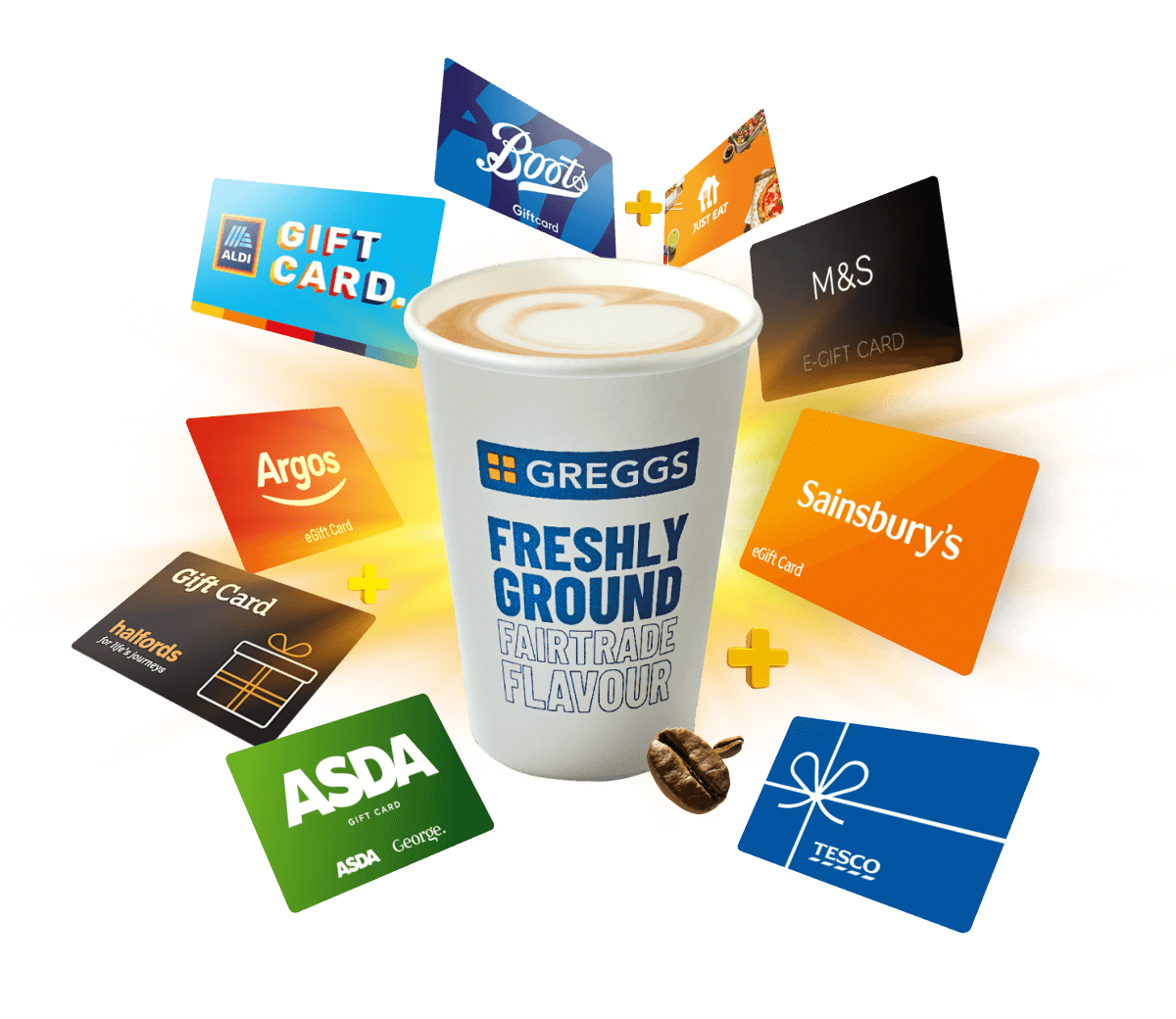
Rewards image with rewards partner images

**Single annual policy. App only. Maximum claim limit. One regular hot drink per month for a year, only available via the Confused.com app. T&Cs apply.

Explore more useful tools for when you're on the road
Explore more motoring tools

Ready to get a car insurance quote?