

Home insurance can't stop a fire. But it can pay to replace your belongings so you can get back on track quickly.
Most policies will include fire damage as standard, but there might be some conditions. For example, would your home insurance policy cover wildfire damage given the rise in incidents in 2026?
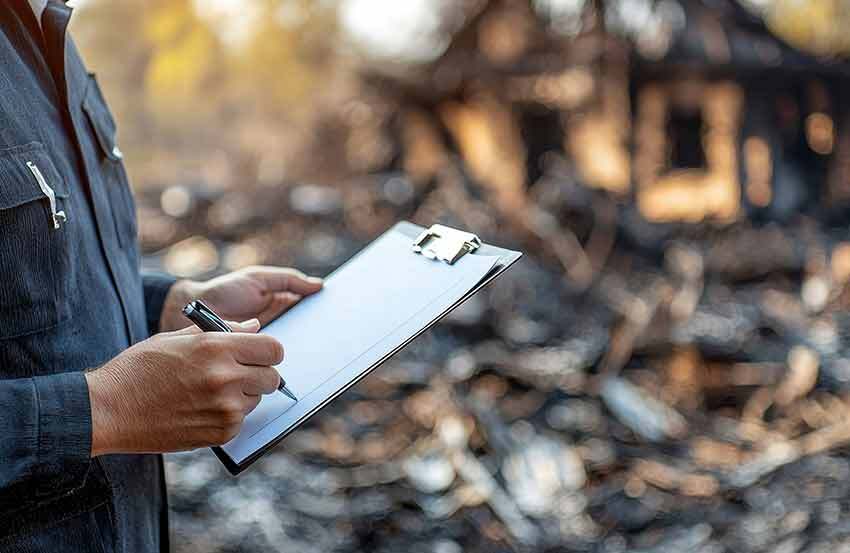
Key takeaways
- A standard home insurance policy covers fire damage and typically offers protection for wildfires
- Your exact cover will depend on whether you have buildings insurance, contents insurance, or both
- If you are evacuated as a precaution and your home is not actually damaged, your home insurance policy may not cover temporary accommodation
- Making a wildfire claim will more than likely raise your future home insurance premium - so it's worth shopping around for future policies
Will home insurance cover fire damage?
Yes, fire damage is usually covered under standard buildings and contents insurance.
This cover usually extends to the cost of repairs, rebuilding or replacing damaged items. It sometimes includes temporary accommodation if you can't live in your home.
What does fire insurance cover in a home insurance policy?
Fire insurance covers damage to your home and belongings caused by fire and smoke. Buildings and contents insurance both cover fire damage but protect different parts of the property.
Buildings insurance covers the structure of the house itself, including walls, roof, and permanent fixtures. Contents insurance covers the belongings inside the house, such as furniture, electronics, and clothing.
Standard house insurance policies typically provide cover for accidental fires. This could include fires started by cooking, for example.
But bear in mind, if you or someone living with you is a smoker, your insurer could refuse any claims caused by improper disposal of lit cigarettes.
Are there exclusions to fire insurance I should know about?
Yes, fire home insurance does have exclusions and cover limits. Here are some common ones:
-
Arson by a household member.
-
Lack of maintenance. For example, this might be failing to maintain smoke alarms, or faulty wiring that hasn't been replaced.
-
Leaving a property unoccupied for more than 30 days unless you have unoccupied home insurance.
-
Fire caused by cigarettes if you've previously told your insurer that you don't smoke.
-
Home improvements or renovations that you've failed to tell your insurer about.
What steps should I take to ensure I'm fully covered for fire?
Firstly, always check the wording of your policy documents to ensure the cover limits are high enough. On contents and buildings insurance, the limit is known as the 'sum insured'.
You might also want to consider optional extras. This might be an accidental damage add-on, which could offer some protection against fire damage.
What should I do if I need to make a claim for fire damage?
After a fire, it's normal to feel overwhelmed and unsure of the next steps to take.
But we're here to help. Below is a step-by-step of what to do if you need to make a claim:
-
Ensure you and anyone in the home is safe and contact emergency services: Your safety is the priority. Make sure the fire is extinguished or under control and the area is safe to enter. If necessary, contact the fire brigade and other emergency services.
-
Contact your insurer: As soon as you can, report the fire to your insurer. You'll need to have your policy number ready, and be prepared to give details about the fire. This includes the time, date, and cause if known.
-
Document the damage: Take photos and videos of the damage. You'll want to create a detailed inventory of destroyed or damaged items, including make, model, and estimated value. Keep your receipts for any emergency repairs, temporary accommodation, or related expenses. You'll want to maintain a log of all communications with your insurer and any other parties involved in the claim.
-
Secure your property: Take steps to prevent further damage. Board up windows, cover holes in the roof, and disconnect utilities. It's worth hiring professionals to help assess and secure your property.
The amount of time it takes for a claim to be processed depends on the complexity of your case. Most claims are completed within a few months, but serious disputes can take a lot longer.
Do I need to hire a loss assessor to look at my home insurance after a fire?
No, it's not mandatory to hire a loss assessor after a fire, but it can be beneficial, especially for large or complex claims.
A loss assessor is there to help you make sense of the insurance process, assess damages accurately, and negotiate with the insurer on your behalf.
Here's a breakdown of why you might want to hire a loss assessor:
- Disputes with insurers: If you don't agree with your insurer's assessment of the damages.
- If you need help understanding the insurance process: If you're unsure about the claims process, a loss assessor can guide you through each step.
- To reduce time and stress: The aftermath of a fire can be stressful. A loss assessor can handle the communications and paperwork with your insurer so you can focus on other things.
- If your claim is complex: If your claim involves structural damage, business interruption, or loss of high-value items, a loss assessor can help ensure a fair settlement.
Make sure you understand the difference between a loss assessor and a loss adjustor.
Loss adjustors work for the insurance company, and an independent loss assessor works for you, the policyholder.
A loss adjustor investigates claims and works out the coverage and resulting settlements.
A loss assessor acts as your advocate, helping you understand your policy, gather evidence, and prepare the claim. They'll also negotiate with the insurer on your behalf to make sure you get a fair and accurate settlement.
What steps should I take to help prevent fires?
House fires can be extremely traumatic, resulting in the loss of belongings, injury to yourself or others, and even death.
It's important to take steps to help prevent fires before they start. Let's go through some of the things you can do to reduce the risk of fire:
-
Make sure smoke alarms are fitted with working batteries: To test a smoke alarm, press and hold the test button until the alarm sounds. It's recommended that you test your smoke alarm at least once a month to check it's working correctly. You should also replace the batteries once a year, or when the alarm begins to chirp. The smoke alarm should be replaced every 10 years. Making sure your smoke alarms are working should be part of the monthly maintenance checks you do on your home.
-
Don't leave candles or open flames unattended: It's easy to forget about candles and other open flames. Make sure you extinguish them before you leave the room or go to bed. You should make sure candles are placed in stable, heat-resistant holders on non-flammable surfaces. Make sure they're far away from curtains, coats, furniture or bedding.
-
Avoid smoking in the house: Smoking in the house increases the risk of fires because of improperly put-out cigarettes.
-
Don't leave food unattended while cooking: Cooking equipment like grills, ovens and stovetops can easily overheat or ignite nearby materials.
-
Don't cover electrical items that get warm: Covering electrical items that get warm can trap heat and prevent proper ventilation. This applies to items like electrical heaters, chargers and even white goods like tumble dryers and washing machines.
-
Don't overload outlets or extension leads: Overloading outlets and extension leads can cause overheating and electrical fires. Always check the wattage and current ratings of your appliances and extension leads before plugging them in.
-
Maintain fires and log burners: Regularly clean out the ash and check for any damages. This might be cracks or loose seals. Make sure air vents and chimneys are clear of debris. It's worth having the chimney swept and the stove serviced annually by a professional. This prevents build-up and ensures that it works efficiently and safely.
-
Take extra precaution during prolonged periods of warm weather: As we've seen in the UK in 2026, heatwaves can happen, leaving conditions particularly dry and vulnerable to wildfires. During these periods it's crucial to take extra caution when disposing of cigarettes, leaving barbecues unattended and managing other fire risks.
How can I compare home insurance policies for fire coverage?
Comparing quotes is the best way to get a cheap deal. When you compare home insurance policies with us, we'll ask:
-
The types of locks on your doors and windows.
-
The total value of your belongings.
-
Details about your home.
-
Details about the people living with you.
You'll want to check the single-item limit, and whether you need high-value insurance for any expensive items you might own. Our contents calculator can help you work out the value.
Making sure you've got buildings and contents insurance in place can give you peace of mind, especially in the event of a fire. Compare home insurance quotes to find the right policy for you.
Does home insurance cover wildfire damage?
As per the Association of British Insurers (ABI), standard home insurance policies typically cover fire damage, even when it's caused by wildfires. You shouldn't need additional cover, but to be sure, you should always check your home insurance policy first.
The exact level of cover you can expect will largely depend on your insurer and specific policy. Your cover may also vary depending on whether you have buildings insurance, contents insurance, or both.
What wildfire damage could be covered?
If you have wildfire cover included in your policy, it should offer you similar, if not the same, protection as an isolated fire. Without sitting on the fence, each home insurance policy is different, so it's important to check the specific wording of your cover.
But, you should have cover for:
Building damage: This can help pay to replace or repair walls, roofs, windows, doors, floors, ceilings, permanent fixtures, garages and outbuildings. You should also have cover for damage to wiring and plumbing in your home — plus damage caused by any firefighting efforts, such as water damage, for example.
Personal possessions and belongings: If you have contents insurance or a combined policy, you'll also have cover for the items in your home. Contents and buildings insurance are different, so if you don't have a combined policy, a buildings insurance policy won't extend cover for your belongings.
Smoke, soot, and ash damage: Even if fire doesn't directly damage your home, other elements may force your hand to claim. Damage caused by ash, smoke or soot may require specialist cleaning due to corrosion and discolouration. You shouldn't attempt to do this yourself, so you'll need to speak to your insurer first.
Gardens and outbuildings: What's covered in your garden can vary. For example, sheds, fences, and garden furniture are often included, whereas cover for lawns, trees, and hedges are more frequently limited or excluded entirely.
What if I'm evacuated but my home isn't damaged?
Local authorities may advise homeowners to evacuate their properties if a wildfire poses a nearby danger. If you are evacuated, but your home isn't damaged, alternative accommodation is typically arranged by the local authority.
It's important to state that many home insurance providers will only offer alternative accommodation cover if your home has actually been damaged and is uninhabitable.
What should I do if a wildfire is heading my way?
If a local authority advises you that a nearby wildfire poses a risk, or you believe you're in danger, you should:
- Follow fire and rescue service or local authority instructions
- Call 999 if the fire has not already been reported
- Don't attempt to fight a spreading wildfire
- Evacuate immediately if instructed, and don't return until emergency services confirm it is safe to do so
In terms of prevention, you should only act when it is safe to do so and wildfire doesn't pose an immediate risk. Here's what to consider:
- Clearing dry vegetation (dead leaves, twigs) from around the house
- Keeping lawns short during dry periods
- Cleaning gutters regularly
- Take extreme care with barbecues, bonfires and discarded cigarettes
- Store firewood at least 10 metres from the property
- Keep fire escape routes clear
What should I do after wildfire damage?
Returning to your home to find any form of damage following a wildfire can be especially distressing. It's crucial to bear in mind the following steps to ensure you're back on your feet as soon as possible:
- Wait for emergency services confirmation before re-entering the property
- Contact your insurer as soon as it is safe to do so. Many insurers operate 24-hour emergency lines for events such as wildfires
- Do not dispose of damaged items until the insurer has advised you to do so, unless they pose a safety risk
- Keep receipts for any emergency repairs or expenses you incur as a result of the damage
- Do not attempt significant smoke, soot, or ash cleaning before the insurer has assessed the damage in your home
Will a wildfire claim affect my future cover or premiums?
Like most insurance policies, any claim is more than likely to increase your monthly or annual home insurance premium. However, it shouldn't automatically prevent someone getting home insurance again.
Insurers may ask about the nature and cause of the claim, the claim value, the extent of damage, and whether repairs are complete. This is so they have a better understanding of your claim and any potential future risk.
Crucially, the home insurance market is a competitive industry, so you shouldn't face too much difficulty finding another policy. Shopping around is always a good idea, particularly if you're finding it challenging to get a quote. Even if quotes are fairly easy to come by, you may be able to save money by comparing policies from different insurers.
Frequently asked questions
Does home insurance cover wildfire damage in the UK?
Is wildfire insurance a separate product I need to buy?
 cookie usage