

Key safes or lock boxes might feel like a convenient option to let others into your home when you're out and about. But how secure are they really? Let’s take a closer look.
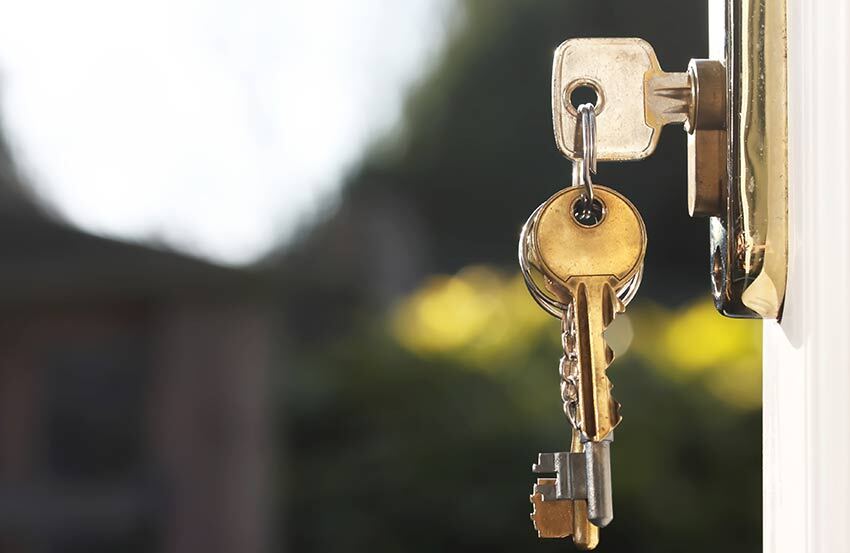
Are key safes safe?
Key safes or lockboxes can be safe, but like most things, it depends on how and where you use them. Key safes are a useful way to store spare keys outside your home. They may seem like a convenient option, but that doesn’t automatically mean they’re secure. A poor-quality key box, stuck on the wall in plain view, using a weak code, might seem like an open invite to burglars. And even if you buy a good one, if it’s not installed or used properly, you’re still at risk.
Should I use a key safe at home?
Here’s when key safes are genuinely helpful: You've got carers or cleaners who need regular access You’re hosting short-term guests (if you’re letting to paying guests, standard home insurance may not cover this) You want a backup in case of emergencies Look for key safes that meet the LPS1175 security standard (Issue 8, Rating A5 or above). Look for Police Preferred Specification approval under the Secured by Design scheme, such as that held by the Supra C500 Pro. Follow the manufacturer's installation instructions, including the specified wall surfaces and fixings, to maintain the model's security certification. The reality is no key safe is 100% tamper-proof. But high-quality ones, properly installed and discreetly placed, can help to reduce your risk.
Will using a key safe affect my home insurance?
Most home insurance policies include a condition that you take reasonable steps to keep your home secure.
A key safe is one example of a security measure that needs to be chosen, installed and managed carefully. If it's not, it could become a weak point rather than a safeguard.
What alternatives are there to using key lock boxes?
If key safes aren't the right option for you, some other options include:
- Smart locks: A more modern alternative that uses codes, fingerprints or apps instead of physical keys. They may depend on power and connectivity, so a backup plan is worth considering.
- Digital doorbells with access control: Let you see who’s at your door and, with some models, grant access remotely. Like smart locks, they may also depend on power and connectivity.
- Trusted neighbours or friends: An old-school option that avoids leaving a key outside entirely. Just keep in mind that giving someone a physical key carries its own risks if that key is lost or misused.
Each has pros and cons, but they can help to avoid leaving a spare key outside your home.
Tips for using key lock boxes on your property
If you are going to use a key safe, make it as safe as it can be. Here’s how:
- Pick a reputable model: Look for models that hold a Police Preferred Specification approval under the Secured by Design scheme.
- Think about where you install it: Choose somewhere that’s easy for guests but not obvious to strangers.
- Change the code regularly: Especially if you’ve had guests or tradespeople using it.
- Install it securely: Follow the manufacturer's instructions, including any requirements for the wall surface and fixings.
- Only give the code to people you trust: And when they’re done, change it again.
It's about doing what you can to secure your home. For more security tips, read our guide on how to protect yourself from burglary. You can also find out which lock types are best for home insurance.




 cookie usage