


At first glance home insurance can look like a bit of a minefield. Let's face it, there's hundreds of policies out there. But finding the right type of policy for your property or belongings shouldn't be a headache.
We'll take you through what each home insurance policy covers, so you can find the right quote with confidence.
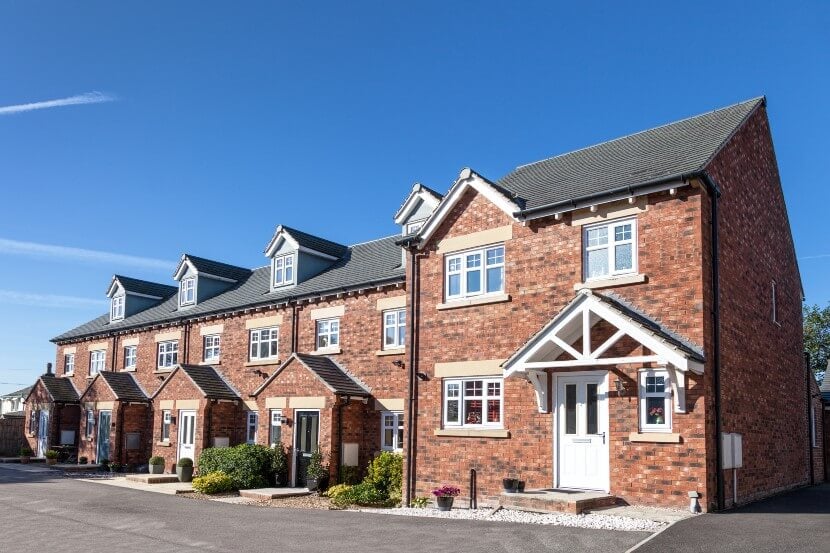
What type of home insurance do I need?
It depends on your property type and your circumstances. For example, a typical homeowner might get a combined buildings and contents policy. This should cover your home's structure and belongings from fire, flood and theft.
When you find the right policy for you, make sure you have enough home insurance cover without being over-insured. The last thing you want is to pay for a policy you can’t claim on.
If you’re unsure, speak to your insurer. They should be able to tell you if a new policy gives you the right kind of protection.
Compare home insurance quotes
Buildings insurance
Buildings insurance covers the structure of your home. It also covers any permanent fixtures in your home like your roof, bathroom suite, and kitchen units.
This type of home insurance usually extends to outdoor buildings. So garages, sheds, and greenhouses are also covered. But fences, walls, and gates might not be in this type of policy.
Although you don’t have to have buildings insurance, your mortgage lender may insist that you do. You can buy it on its own or as part of a combined buildings and contents insurance policy.
If you’re going to get buildings insurance, it’s a good idea to buy it as soon as you exchange contracts. That way, you’re covered if something happens to the building before you move in.
To get a buildings insurance quote you need to work out how much it might cost to rebuild your home. The cost is usually different to the market value of your home.
Don’t forget to tell your insurer if you’ve had building work done, such as a new kitchen, as your newly extended home would cost more to rebuild.
Our data shows that the average cost of buildings insurance is £122**.
**Confused.com data. Jan - 30 June 2023.
Contents insurance
You don’t have to have contents insurance. But getting the right cover protects your personal belongings inside your home. It can help cover the cost of replacing or repairing them if they are damaged, destroyed, or stolen.
Items covered by contents insurance range from carpets and curtains to clothes and shoes. You should also be covered against burglary, and if your stuff is damaged by fire or water. Accidental damage cover can also be added to your policy for an extra cost - This is great if you're slightly more accident prone.
There's also the option of shared house contents insurance. It could be ideal if you live in a shared property and want to just get contents cover for items and possessions in your own room. You and your housemates might share the milk in the fridge, but you'll want to make sure your personal belongings are covered separately.
Trying to figure out how much everything you own is worth can be a bit of a bother. If you underestimate and under-insure, you may not get back the full value of what you’ve lost. Over-insure and you'll pay more than you need to.
The easiest way to work out how much everything adds up to is to use our contents insurance calculator. Go room by room to make sure you’ve ticked off everything and don’t forget the garden!
Landlord insurance
A standard buildings insurance policy usually won’t cut it, you need insurance specifically designed for landlords.
Landlords insurance covers things like loss of rent, emergency accommodation, and public liability.
It's the landlord’s responsibility to get this insurance as well as to maintain the building that's being rented out.
Tenants’ insurance
If you’re renting, you can focus entirely on protecting your stuff. This is because it’s up to your landlord to take care of your buildings insurance.
This is where tenants insurance comes in to cover your belongings. It might also cover items provided by the landlord, such as carpets and curtains. But it's best to check with the insurer beforehand.
Students insurance
Student insurance is tailored for the sort of things you’re likely to have at university such as laptops, phones, and bikes.
Not all contents policies insure your belongings while you're temporarily away at university. So by getting your own home insurance policy, it means you can be sure your things are covered.
Listed buildings insurance
If you’re lucky enough to live in a house that holds a special place in the nation’s heart, then chances are it's listed. Whether that listing is Grade I, Grade II*, or Grade II depends on its historic importance and cultural significance.
As there’s a certain prestige with these kinds of buildings, there are restrictions that can make repairing them more expensive.
Living in a listed building doesn’t mean that you can’t make any changes – it’s just more difficult and time-consuming to do so.
There are specific types of insurance coverage for homes that are listed. A listed buildings insurance policy should be able to give you the right level of cover.
Our data shows that it costs £243 to insure a Grade I listed property, and £272 for a Grade II property, on average*.
High-value home insurance
High-value home insurance is also known as high-net-worth home insurance.
Like standard policies, the cover splits into 2 types – buildings and contents.
As a general rule, high-value buildings are properties that would cost more than £500,000 to rebuild. This figure may vary depending on the insurer, though.
High-value contents are items like works of fine art, certain antiques, engagement rings and jewellery.
Standard contents policies have a single-item value limit, usually anything over £1,000. So if a valuable painting is stolen you might not be able to claim for the full amount.
A high-value home insurance policy makes room for this added value so you have that extra layer of protection.
Non-standard construction
So you have an interesting house.
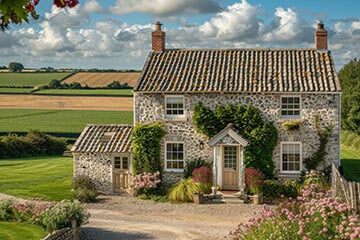
Maybe you’ve built it yourself from scratch, or you’ve used timber frames and a thatched roof to give it that rustic feel.
You might have even built the walls out of wattle and daub, medieval style.
Though this adds an extra touch of class and character to your home, many of the big name insurers may shy away from covering this kind of house. Usually because the risks are greater.
In this case, you may have better luck with specialist insurers that deal specifically with non-standard houses.
According to our data, insurance costs for a house with wattle and daub walls are £369, on average. And average costs for a house with a reed thatched roof are £895*.
Holiday home insurance
Holiday homes aren’t normally covered in the same way as your main house. This is because they’re often left empty for long periods, which means you might need separate holiday home insurance.
Insurers consider 30 days to be the most you can be away from home and still have cover.
If you’re looking to get cover for a holiday home, make sure you’re open about the fact it’s not your main house. Otherwise any future claims you make might be void.
If you sometimes rent your second home out to other people, there are other things to think of as well, such as public liability insurance.
Just a heads up: You may also need Airbnb insurance.
Unoccupied home insurance
If you need to insure an empty property, say an inherited house, there’s insurance for this as well.
Standard home insurers don’t like properties to be empty for more than 30 days at a time due to the increased risk of things like vandalism and frozen pipes.
But unoccupied home insurance - also known as empty home insurance - covers an empty property for longer. The policy type typically covers damages from fire, flood and theft.
You can choose how long you want the cover to last for, ranging from 2 months to a year.




 cookie usage