If you’re going on holiday and are looking for more information on travel insurance, you’re in the right place. Travelling can be stressful whether you’re going abroad or staying in the UK, so we’ve got all the top tips you’ll need for a successful trip. If you’re a seasoned traveller or going abroad for the first time, our expert guides cover all of your travel insurance questions. From understanding your baggage allowance to knowing what to do in the event your flight is delayed, and useful advice for popular destinations, explore our guides to find out more.
At Confused.com, we follow a strict editorial policy to ensure the information we provide is honest, accurate and impartial of any insurer. We also use a panel of experts to review all of our content. Members of the expert panel have been selected based on their unmatched knowledge and experience in the insurance and personal finance sectors. They work closely with our product specialists to review all of our content to ensure we are providing accurate information.
Need help with something?
Helpful links:
Download our app to claim your rewards



Save money and get organised with our app. Never miss a date with insurance, tax & MOT reminders. Plus get a quick quote in just a few taps.
Types of travel insurance to consider

Compare annual travel insurance
Annual travel insurance covers you for any holidays you plan on taking over the next 12 months. Save money and compare quotes today.
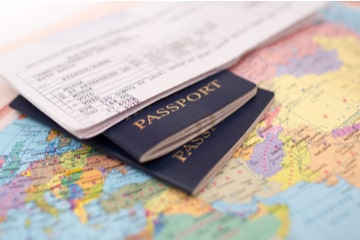
Travel insurance with a medical condition
Travel insurance with medical conditions is designed to make sure those with a pre-existing condition have the cover they need when on holiday.

Single trip travel insurance
Single trip insurance covers you for cancellations, delays, medical costs and more for one holiday. Compare quotes and find a policy that suits you.

Travel cancellation cover - be insured at the right time
Learn about how cancellation cover can help you if you run into a problem before you go on holiday.
Learn more about travel insurance

UK airports 2026: What to expect when travelling
A 2026 guide to UK airports, covering transport links, facilities and passenger services so you know what to expect before you travel.

Extreme day trips: what you need to know
Planning an extreme day trip? Learn how they work, what they cost, and why travel insurance is essential to protecting your plans before and during travel.

Airline, airport and travel updates
Get the latest travel updates and alerts, including flight disruptions, airport status, strikes, and safety advice before you travel.

Travel insurance for mental health
Don't let mental health worries stop your travels. See how to get covered and what to declare when you buy travel insurance in our guide.
 cookie usage