Need help with something?
Helpful links:
Download our app to claim your rewards



Save money and get organised with our app. Never miss a date with insurance, tax & MOT reminders. Plus get a quick quote in just a few taps.
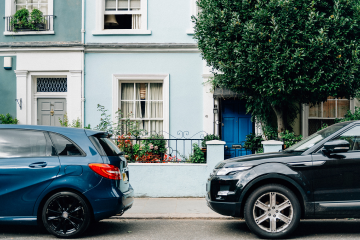
How many cars does the average UK household own?
34% of UK households now have 2 or more cars. See the latest data on car ownership by household, plus how multi-car insurance could help you manage it all.

UK airports 2026: What to expect when travelling
A 2026 guide to UK airports, covering transport links, facilities and passenger services so you know what to expect before you travel.
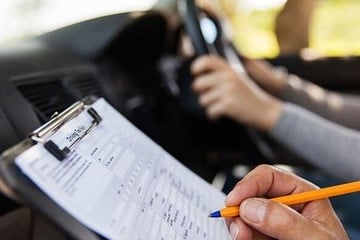
Driving theory test - Confused.com
You'll need to pass a driving theory test before booking your practical exam. We'll give you the lowdown on what to expect, how to book and tips for passing.

UK mobile phone driving laws: fines, points and rules
More than 70,000 UK drivers have been fined for using a phone while driving since 2023. Learn the latest laws, penalties and how AI cameras detect offences.
See what else we can help you save money on

Car insurance
Is a legal requirement if you're driving in the UK. Find out more about choosing the right cover at the right price.


Travel insurance
Is a great way to cover you against medical bills, delayed flights and stolen items when you're on holiday.



Gas & electricity
Offers are limited right now. Request updates to find out when new deals are available.

Breakdown cover
Could provide peace of mind should you and your motor run into difficulties at home, on the road or in Europe.
 cookie usage