Home Insurance Jargon Buster
- Guides
- Published: 04 Nov 2009 in Household and Home Insurance
If home insurance terminology is all Greek to you, then check out our glossary of terms - it translates all that
tricky jargon into plain English.
Your handy home insurance glossary.
A | B | C
| D | E | F |
G | H| I | J | K | L | M |
N | O | P |
Q | R | S
| T | U | V | W | X | Y |
Z
A
ABI
See Association of British Insurers.
Accidental Damage
In insurance terms, accidental damage happens to either a building or its contents. An example of accidental
damage to a building would be putting a foot through a wall, which would require a buildings insurance claim. Accidental damage to contents would be something like
dropping paint on a rug, which would require a contents insurance claim.
Accidental Damage Protection
This type of cover protects your property against damage caused by an accident. Many standard buildings
insurance and contents
insurance policies will already include a level of accidental damage protection, so check the small print to
see exactly how much. You can
always extend the level of accident protection if you need more.
Association of British Insurers (ABI)
Formed in 1985, the ABI is the UK insurance industry’s trade body, and has
around
400 companies in membership.
Act of God
In insurance terms, Acts of God refer to unpreventable and unpredictable events that cause damage to property.
These can include such things as earthquakes, lightning, and damage caused by war.
Alarm
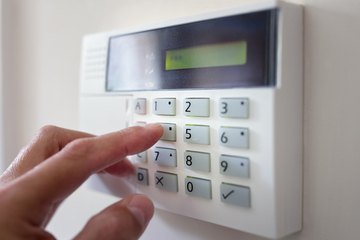
An alarm is a security device that is fixed in a visible position on an external wall to act as a deterrent
against break in. Basic devices emit a loud, piercing alarm when triggered, whilst more sophisticated ones also
alert the police or a security firm. Having an approved burglar alarm fitted could reduce the cost of home insurance.
This type of insurance protects certain contents for when they are taken outside of your home, e.g. laptop, MP3
player, digital camera or jewellery. Some contents policies come with some ‘all risk’ cover included, so check the
small print to see exactly how much. Otherwise, it can be bought as extra cover.
Amendment
If you change your original policy, this is called an amendment. For example, if a new extension requires more
cover, your
existing policy can be amended to take this into account.
Annual Premium
Quite simply, the annual premium is the amount of money your home insurance costs for a year.
Ancillaries
Ancillaries is another word for extended or additional cover. For example, you could extend your contents
insurance to take into account the increase in valuables in your home, or you could add garden cover to protect
valuable stuff that you keep outside. Both would be considered ancillaries.
[back to top]
B
Broker
An independent insurance expert. Many insurance companies and syndicates, such as Lloyds of London, sell their
services through intermediaries known as brokers.
Buildings
In home insurance, the term ‘buildings’ refers to your entire property, not just the part you live in, i.e. such
things as garages and any other outbuildings, plus fences, gates and walls, will also be included. In short, all
permanent fixtures within the boundaries of your
property.
Buildings Cover
See Buildings Insurance
Buildings Insurance
Buildings insurance covers the structure, fixtures and fittings of your home, e.g. roof, walls, ceilings,
floors, doors and windows, fitted kitchens, built-in cupboards and bathroom suites. Most buildings insurance
policies will also cover certain outdoor structures such as
sheds, garages, gazebos and greenhouses. Learn more about Buildings Insurance in the Home Insurance Buyer’s
Guide.
Burglar Alarm
See Alarm
[back to top]
C
Cancellation
You are free to end an insurance policy whenever you like, even before the date it’s due to finish. However, you
may still have to pay charges for doing so, e.g. a cancellation fee, a percentage of the annual premium, or
continued payments until the end of the next full
month.
Certificate of Insurance
Once you’ve signed up for an insurance product online, you will then be sent a paper certificate as hard-copy
proof of insurance, although increasingly, companies are moving to electronic certificates.
Claim
A claim is what you make to an insurance company after suffering a loss that is covered under the policy. In
effect, you are ‘claiming’ for compensation for your lost, stolen or damaged property. A claim requires that you
complete a claim form
Claim Form
The form that a claimant needs to complete when seeking compensation for lost, stolen or damaged property from
an insurance
company.
Claims History
The number of claims you’ve made in the past, plus the value of those claims, make up your claims history. If
you’ve made many claims, insurance companies may consider you a higher risk and charge higher premiums for cover.
Likewise, if you have no claims history (i.e. you’ve never made a claim), premiums could be lower.
Conditions
All insurance policies contain a list of conditions. These conditions are the framework within which insurance
policies are valid. If you break these conditions, the policy could be rendered invalid and any claims might not be
paid out.
Contents
In home insurance, the term ‘contents’ refers to the possessions you keep in your property, such as electronic
goods, CDS/DVDS, furniture, jewellery, clothing etc.
Contents Cover
See Contents Insurance
Contents Insurance
Contents insurance provides protection for your household possessions – items such as electronic goods,
CDS/DVDS, furniture, jewellery, clothing etc. High value items – such as expensive antiques, electronic goods and
jewellery – may need additional cover. To find out the extent of the contents cover, always read the insurance
policy small print. If you want to protect the actual structure, fixtures and fittings of your home, you will
require buildings insurance.
Cover Limits
This refers to the maximum cash limits that you are covered for under an insurance policy. Any payments from the
insurer will not exceed these limits.
[back to top]
D
Depreciation
When making a claim, depreciation refers to the amount of reasonable wear and tear an item you’re claiming on
will have suffered since its purchase. Unless you have a new-for-old clause in your policy, the amount of
depreciation will be taken into account, and that amount deducted from any payout.
When a single item is covered by two separate insurance policies, it is said to have dual insurance.
Due Diligence
Due Diligence refers to the reasonable care that you are expected to take in looking after insured property. For
example, if you leave jewellery next to an open window that’s easily reachable from the street, you are not showing
due diligence with regards to its care. If it’s found that due diligence wasn’t exercised after a claim is made,
your insurer may deny compensation.
Duty of Disclosure
Insurance providers require that you give accurate and honest information when taking out home cover and that
you keep them notified of any incidents or changes to your details during the life of the policy. This obligation
is known as a duty of disclosure.
Duty to Minimise Loss
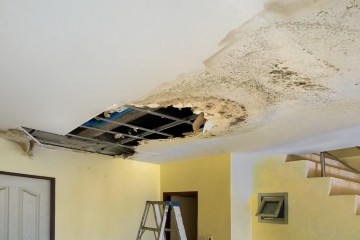
If damage occurs within your home and you make a claim, you have a duty to ensure that things don’t get worse
and the claim grows. For example, if a bathroom is leaking through to the living room below, you have a duty to
move any furniture that could be affected.
[back to top]
E
Endorsement
If your policy needs to be modified in any way, it is done so with the addition of what is known as an
endorsement.
Excess
Excess is the amount of money that you pay in the event of a claim. Offering to pay an excess will result in
cheaper premiums, and the higher the excess you opt to pay, the lower the premiums could be.
Exclusions
Home insurance exclusions will be set out in the policy small print, and refer to anything that is not covered.
For example, a typical home insurance exclusion would be ‘homes left unoccupied for a 30-day stretch or more would
not be insured during this period’. This means that if a house burns down or is burgled during a month or more when
it’s left empty, you would not be able to claim. Read the policy terms and conditions to see the full list of
exclusions.
Expiry Date
The last day that your home insurance protection is valid. Beyond this date, you may not be covered. See also
Renewal Date
[back to top]
F
Financial Ombudsman Service
Financial Ombudsman Service is the official body that settles complaints between customers and financial service
providers (such as insurance companies).
Financial Services Authority (FSA)
The FSA is the financial regulator of all UK providers of financial
services (such as insurance companies).
Force Majeure
In insurance terms, Force Majeure refers to an extraordinary or unforeseeable event (e.g. earthquake, war, riot)
that causes damage and is therefore nobody’s fault. See also Act of God.
Freezer Cover
Freezer cover is a type of home insurance ancillary. Confused.com research showed that the average freezer
contained £173 worth of food, with 34% of freezers containing between £200 and £500 worth of perishables. Freezer
Cover ensures you’re not left out in the cold should your freezer malfunction or if there’s a power cut.
[back to top]
G
Garden Cover
Many buildings and contents insurance policies will already have a level of cover for outdoor structures like
sheds, garages, gazebos and greenhouses (check the policy small print to see exactly what’s covered). However, if
you require more protection, garden cover can insure specific valuable items such as expensive tools or an
expensive bicycle.
General Terms and Conditions
The terms and conditions are the clauses set out in the policy small print that detail your exact level of
cover, and the rights and obligations of both parties (i.e. you and the insurance company) with regards to the
insurance contract.
Good State of Repair
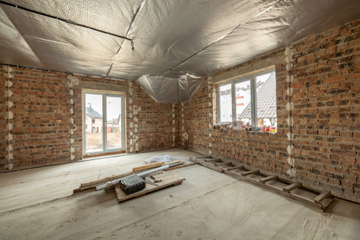
Many insurance companies will not insure a property unless it’s in a good state of repair – meaning it should be
structurally sound with no incomplete building works, and it should have no evidence of dry rot, damp, infestation,
faulty wiring or plumbing, or roof /chimney damage.
<[back to top]
H
High-Risk Items
In general, high-risk items are possessions which burglars are particularly likely to target during a break in.
They include such things as: antiques; audio/visual equipment; coin, stamps and medals; computers (including
components and accessories); curios; artwork; furs; watches and clocks; jewellery; cameras and games consoles.
Home Contents Insurance
See Contents Insurance.
Home emergency cover
Home emergency cover is a type of additional feature that can be added to home insurance. It can take care of
24-hour emergency call outs (plumbers, electricians etc), call-out fees, cost of labour, and the cost of parts
(usually up to a specified cash limit).
Home Insurance
The collective term for both buildings insurance and contents insurance.
Home/Property
This is the place that is being insured, and includes the entire home, which can include garages, any other
outbuildings, fences, gates and walls.
Home Security
Home security refers to such things as burglar, door locks, window locks, external lighting, and neighbourhood
watch scheme etc. Insurance premiums may be cheaper if your home is very secure as it will be more difficult to
burgle, therefore presenting a lower risk to the insurer.
[back to top]
I
Inception date
See Policy Start Date
Indemnity
This is the main principle of insurance. Insurance exists to replace something that has been lost or damaged,
and an indemnity seeks to restore the insured person to the same financial position after the loss as immediately
before.
Insurance Documents
Even though you are buying car insurance online, you will still be sent a paper hard copy of your insurance
policy. This paperwork comprises your insurance documents and should be kept in a safe place.
Insured Incident
If your home is damaged, or contents stolen or damaged, and this theft/damage is covered by your home insurance,
the event is known as the insured incident.
Insured Value
This refers to the maximum amount the insurance company will pay out on your property if stolen or damaged. If
you have a like-for-like policy, stolen goods will be replaced as new; otherwise, depreciation will be deducted
from any payout.
Intermediary
See Broker
Insurance premium
See Premium
Insurance Premium Tax (IPT)
IPT is a government tax on insurance. The standard rate is 5% and is automatically factored into the home
insurance quotes
you receive.<
[back to top]
J
Joint Proposer
If you are buying home insurance with a partner or with someone else you share the home with, you are both joint
proposers.
[back to top]
L
Legal Expenses Insurance (LEC)
Legal Expenses Cover is included in some home insurance policies or it can be added as an upgrade. If someone is
injured at your home, it can cover you for costs of being sued, or it could finance your claim against someone
else.
Liability
If you’re to blame for an accident at your home, you are liable for the costs. Or put another way, if the
liability of an incident lies with you, then you are responsible both legally and financially for paying any
damages.
Loss
A loss is something that causes you to seek compensation from your insurance company – such as property damage
or theft. Literally speaking, it refers to a loss in value to your overall wealth, due to the devaluation of your
property through damage or theft.
Loss Adjustor
A person employed by an insurance company to investigate and settle insurance claims.
Loss Assessor
A insurance company employee whose job it is to assess the level of risk of an undertaking, and then make a
decision as to whether it is insurable, and if so, what the premium should be. For example, the ‘undertaking’ would
mean ‘whether to insure you as a homeowner’, and the rating factors would include such things as your postcode or
claims history. In practice, much of the loss assessor’s job is automated, which is how you are able to receive
online quotes within minutes.
[back to top]
M
Material Fact
This is any factor that might affect an underwriter's decision to provide you with insurance. You are obliged to
advise your insurance company of any material facts, such as previous claims. If a Proposer withheld or gave
inaccurate material facts when applying for home insurance, if a claim is later made, the insurer could refuse
payment.
[back to top]
N
New-For-Old
If your contents insurance policy has this feature, then you are entitled to a brand new replacement for any
insured items that are stolen or damaged, regardless of age. However, some exclusions may apply so make sure you
read the policy terms and conditions.
No Claims Bonus (NCB)
Home insurance deals can include a no claims bonus feature. This is a discount that homeowners receive off their
insurance premium as a reward for extended periods without making a claim. The discount tends to increase the more
years that the policyholder remains claim-free.
No Claims Discount
See No Claims Bonus.
[back to top]
O
Obligation to Notify
Insurance providers require that you give accurate and honest information when taking out home cover and that
you keep them notified of any incidents or changes to your details over the life of the policy. This is your
obligation to notify.
Over insured
Over insurance occurs when you buy more insurance than you actually need. For instance, you only need buildings
insurance cover up to the rebuild value of the home, and not its market value – which could be the difference of
tens of thousands of pounds. Likewise, don’t buy too much contents cover. Walk room to room in your home and tot up
the value of all your contents, then get insurance to match that value.
[back to top]
P
Period of Cover
This is basically how long your insurance lasts. When buying home insurance you usually pay for 12 months of
cover, in which case, your period of cover is 12 months from the policy start date.
Personal Possessions Cover
See All Risks Cover.
Policy
Your policy is the type of home insurance you have bought from the insurance company, as detailed in the
insurance contract that will be sent to you as part of your insurance documents.
Policy Documents
See Insurance Documents.
Policyholder
Once you get an insurance policy in your name, you become the policyholder.
Policy Schedule
See Schedule.
Policy Start Date
This is the date from which your home becomes protected with home insurance.
Policy Summary
This is a summary of the key points of an insurance policy, outlining such things as level of cover, period of
cover, names of the insured etc.
Premium
The premium is the amount you pay for insurance. You usually buy 12 months of insurance at a time, which can be
paid for up front in one go, or spread over monthly instalments. There is often a discount if you pay the entire
premium up front.
Proposal Form
The proposal form is the old fashioned name for the online form you fill in to apply for insurance.
Proposer
Before your insurance application is approved, you are known to the insurance company as the proposer. Once you
pay for the policy, you become the policyholder.
Pro Rata Rates
Some insurance policies will refund you money at a pro rata rate if you cancel your cover. E.g. if you have to
cancel your insurance after nine months, you will receive a refund equal to three months of premiums, less any
cancellation fee.
Premises
Another name for the property that is to be insured. This address will be shown in the policy schedule, which
will be sent to you once you’ve bought the cover.
[back to top]
Q
Quote
After applying for cover, the insurance company will assess your details and then tell you how much money they
will charge you for cover. This amount of money is known as a quote. With Confused.com, you will receive a list of
onscreen quotes within minutes of completing our form.
[back to top]
R
Rating Factors
Various factors are used by underwriters to determine the price of your insurance. Rating factors include such
things as your postcode, claims history, number of children in the house etc. If an insurance company considers
your home a high risk due to rating factors, then you will pay more for insurance. However, don’t be tempted to
give false information to get cheaper quotes. In the event of a claim, this could backfire if found out and your
claim could be dismissed.
Rebuild Calculator
A rebuild calculator will give you a rough idea of your home’s rebuild
cost. Before using a calculator, you’ll need your home’s external floor area for both upstairs and downstairs. Go
outside, measure the length and width of the downstairs walls and multiply these two figures together. If the
upstairs is identical to the downstairs, simply double the ground floor area. If different, calculate the upstairs
area separately and add it to the downstairs result. Next, enter the figures into the calculator, answer some
questions, and your home’s approximate rebuild cost will appear onscreen.
Rebuild Cost
This is what it will cost to rebuild your home in the event it is destroyed. You can use a rebuild calculator or
a surveyor to find the cost.
Renewal
Renewal refers to continuing an insurance policy once the policy period has expired. Many home insurance
policies will be automatically renewed unless you notify your insurance company that you intend to change provider.
Confused.com will send you a renewal notice shortly before the expiry date as a reminder.
Renewal Date
Your home insurance renewal date is the date your existing insurance runs out. You will need to renew home
insurance by this date in order to remain covered, unless your insurance provider automatically renews you. If you
run a quote through Confused.com for home insurance, we will send you a friendly reminder of your next renewal date
so you won’t forget.
Renewal Notice
If you run a quote for home insurance with Confused.com, shortly before your home insurance runs out, we will
send you a friendly reminder of your renewal date so you won’t forget. This reminder is known as a renewal
notice.
Replacement as New
See New-For-Old.
Risk
All home insurance in the UK is offered after assessing the property’s risk. Risk is the likelihood that a claim
will be made on your home. If an insurance company thinks it’s very likely a claim will be made, then it’s classed
as a higher risk, if it’s less likely, then it’s a lower risk. Insurers assess risk by looking at the details
provided in your application form.
Risk Address
This refers to the address of the property that is to be insured.
Risk Factors
See Rating Factors.
[back to top]
S
Schedule
Your insurance documents are usually made up of the policy wording and the policy schedule. The schedule will
probably include such information as the sum insured, any discount details, the period of insurance, details of
premiums etc.
Security
See Home Security.
Settlement
The amount an insurance company agrees to pay out on a claim.
Single Article Limit
This is the maximum amount a single item can be insured for in your home under an insurance company’s standard
policy. The limits can vary between home insurers. Valuables can still be insured separately with additional
insurance.
Special Conditions
In addition to its General Conditions, an insurance company can also impose Special Conditions on an insurance
policy. Always check the policy’s small print to read the conditions of your cover.
Subsidence
A problem affecting the structural soundness of some homes. Subsidence happens when the land a home is built on
gives way under the weight of the property. Whether this subsidence is very slight or very major, the property
would probably require underpinning for it to remain structurally safe. Because of the increased risk caused by
subsidence, some insurers may not to cover an affected
home and special insurance may be needed.
Sum Insured
This refers to the maximum amount of money your buildings and contents are insured for, and the insurance
company will not pay out more than this amount in the event of damage or theft.
[back to top]
U
Under insured
Being under insured happens when you undervalue your property when applying for home insurance. In contents
insurance terms, it’s very important not to under insure as insurance providers might not pay out a full claim if
you are not properly covered for your total contents. In buildings insurance terms, homeowners can become under
insured if they add an extension but then fail to up their
insurance to cover the new, increased value of the property. It’s possibly that, if part of the new extension gets
damaged, a claim could be denied as it wasn’t covered under the original policy.
Underwriter
An underwriter assesses the risk of a person who has made an insurance application on a particular property,
decides whether to accept that risk, and then sets the terms of acceptance (i.e. conditions and premiums).
Utmost Good Faith
[back to top]
V
Valuables
Valuables refers to expensive possessions that are considered high-risk by an insurance company, and will
therefore require additional insurance. Valuables typically include expensive jewellery, artwork or valuable
antiques.
Voluntary excess
See Excess.
[back to top]
W
Wear and Tear
See Depreciation.
[back to top]
Y
Year Built
As insurance companies will need to know the age of the property that they’re being asked to insure, you will be
asked for the year the home was built on the insurance application form.
Yearly Premium
See Annual Premium.
[back to top]