Cut the cost of motoring

Model car on coin pilesFight against the soaring costs of keeping your car on the road in five easy steps.

Driving a car used to be considered the preserve of the wealthy – and if the latest motoring figures are anything to go by, 2011 is no different.  According to new data from the AA, petrol prices are rising at their fastest rate in a decade.

The average cost of fuel in mid-January stood at a staggering 128.77p a litre – an increase of 6.13p a litre on the previous month, as the new-year VAT hike took hold.  And just to rub salt into the wound, the government is holding fast with its plans to further increase fuel duty on 1 April this year.

Insurance costs have also risen beyond the realms of affordability for many, with car insurance prices risen 38.2 per cent over the last 12 months, according to EMB/Confused.com car insurance price data. Now, drivers can expect to pay an average of £650 for their annual policy.

 But, while the nation’s motorists may be forced to swallow some rising costs, there are still ways to take back control and keep the effect on your own wallet to a minimum.

1.      Don’t pay over the odds for petrol

Petrol prices might be high but they still vary considerably from forecourt to forecourt. Before you fill up, log onto Petrolprices.com and type in your postcode. It will then return the cheapest petrol station in your area. Prices for unleaded fuel for example, range from 122.9p to 142.9p a litre, which – especially for larger cars or frequent drivers – translates into a significant overall saving.

Clearly, it doesn’t make sense to drive too far to find the cheapest pumps, though with more than 11,000 UK petrol stations registered with the website, you shouldn’t have to.

You can save more cash by stocking up on food and fuel at the same time if your local supermarket offers discounts on petrol when you spend a certain amount in store. It might also be a good time to use reward points that you have collected, rather than wait until Christmas.

2.      Be fuel-efficient

Using your petrol sparingly once you have filled up the tank will mean fewer trips to the forecourt in the first place. Do this by keeping the weight of your car to a minimum by emptying the boot and removing unused roof racks.  And make sure the air pressure in your tyres is at the level recommended in your manufacturer’s handbook; alternatively you should find the pressure levels specified on a sticker on the inside of the driver’s door. (See here for more tips on maintaining your tyres.)

3.      Shop around for the cheapest motor insurance deal

Simply renewing your existing motor insurance policy for another year can prove a costly mistake – especially in light of this year’s dramatic premium hikes. Instead, get online and shop around for a better deal. For example, you could save up to £ 628.53 by using Confused.com for motor insurance.*

You can reduce premiums further by paying for your annual policy upfront rather than by monthly Direct Debit which can easily load an extra 10 per cent onto the overall cost.

Consider signing up for a higher excess (the amount you need to stump up on every claim) which should also see your premium fall – though make sure it’s at a level you can realistically afford.

With some car insurance deals, you may even get breakdown cover thrown in too, which can save more than £100 a year that you would otherwise be forking out separately.

4.      Protect your no claims bonus

Once you have the best insurance deal for your circumstances, take further advantage by driving carefully. If you can avoid making a claim for five years for example, some insurers offer their customers a discount of up to 75 per cent on annual premiums, which would easily outweigh generic hikes to car insurance costs. (Understand the no-claims-bonus here.)

5.      Buy your road tax annually

It’s cheaper to pay for your road tax annually rather than plump for the six month option.  For example, if you car is registered before March 2001 and has an engine size of 1549cc or below, road tax will cost £125 a year for 12 months or £68.75 for six months. That’s a saving of £12.50 if you pay annually.

Price differences are even starker with newer cars that are measured by CO2 emissions. For example, a driver of a vehicle bought after March 2001 and before April 2010 which has emissions of more than 255 g/km would fall into tax band M. This means they would pay £435 for 12 months’ road tax and £239.25 for six months – that’s £43.50 you could claw back by paying annually.

Better still, trade in your car for a cheaper, more fuel and tax-efficient model.

*Based on Online independent research by Consumer Intelligence during 01 December

2010 to 31 December 2010. 10 % of consumers could achieve this saving with Confused

(including legal) Motor Insurance*

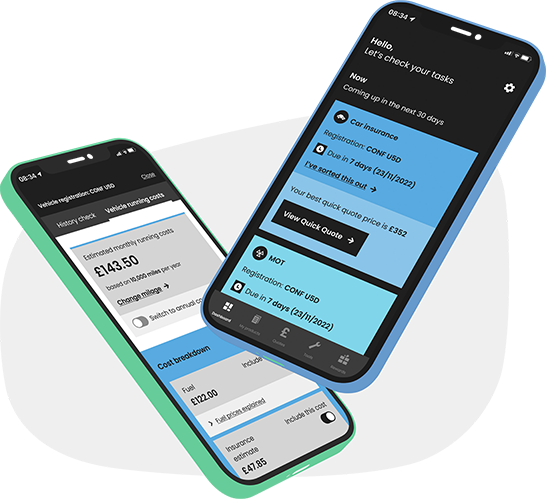
You can get a break down of how much you spend on petrol with our fuel cost calculator.

Please watch our 30-second guide for more information.


Compare car insurance

  • Find great deals on car insurance with Confused.com’s simple, safe and speedy website. 
  • Fill in one form and in minutes you could make big savings on your motor insurance
Cara on her car

Confused.com staff writer

Confused.com staff writer

Content produced by one of our helpful staff writers.

More staff writers' articles


Do you have any questions?

See all car related questions
Car Insurance Question


Compare cheap car insurance quotes

2 for 1 dining card giveaway