Be prepared for a breakdown

woman broken down at roadside on phoneWith the dark nights and weather having taken a turn for the worst as winter sets in, it is more important than ever to ensure you have adequate breakdown cover in place, as this is the time when call-outs start to rise.

Given that a third (*) of serious or fatal motor accidents take place in the dark, while almost 4,500 accidents happened last year in snowy and icy conditions (*) - it is crucial to be prepared for the effect of difficult driving conditions.

Cutting back on cover is false economy

The problem is, with many households tightening the purse strings in a bid to make ends meet in the recession, some motorists are considering cancelling their cover.

However, this is false economy, as if you break down without insurance and need assistance, the AA would charge £192 - plus £1 per mile over 50 miles - to help with a long distance recovery.

This is a hefty price to pay given that the price of a comprehensive breakdown policy can start from as little as £30.

How to buy breakdown cover

When purchasing cover, your first port of call may be one of the traditional providers such as the AA or RAC, but take the time to compare prices, as paying an additional premium for breakdown cover alongside your car insurance could work out cheaper than a standalone policy.

Features to look out for include roadside repair and recovery to the nearest garage or any UK destination and alternative travel and accommodation costs; also note that some providers have no excess, so check the small print.

Don't attempt DIY repairs

Worrying new findings from insurance provider Esure show that more than two thirds of motorists don't have breakdown cover, and that of this figure, more than half would either call a friend or relative to rescue them if they broke down on a motorway, while 13 per cent (**) would attempt a dangerous DIY repair on the hard shoulder - putting all parties at risk.

Calling a friend - who themselves will need to pull over onto the hard shoulder and attempt to fix the problem inches from cars travelling at 70mph without the aid of specialist hazard lighting, high visibility clothing and professional equipment - could prove a fatal false economy,” warns Mike Pickard head of risk and underwriting at Esure. “Breakdown cover is a very small price to pay for a service that can protect a motorist and their family when they are most vulnerable. The motorway is not the place for DIY - call the experts.”

Top tips for safe motorway driving

Given that winter is a hazardous season for even the most experienced driver, with low visibility, icy roads and extreme conditions, here are some simple steps to ensure you stay safe on the road:

  • Give your car a winter health-check - check your tyres for tread depth and pressure, monitor your oil, brake fluid and water levels, test the hazard lights, ensure the battery is fully charged, and top up the anti-freeze in your radiator.
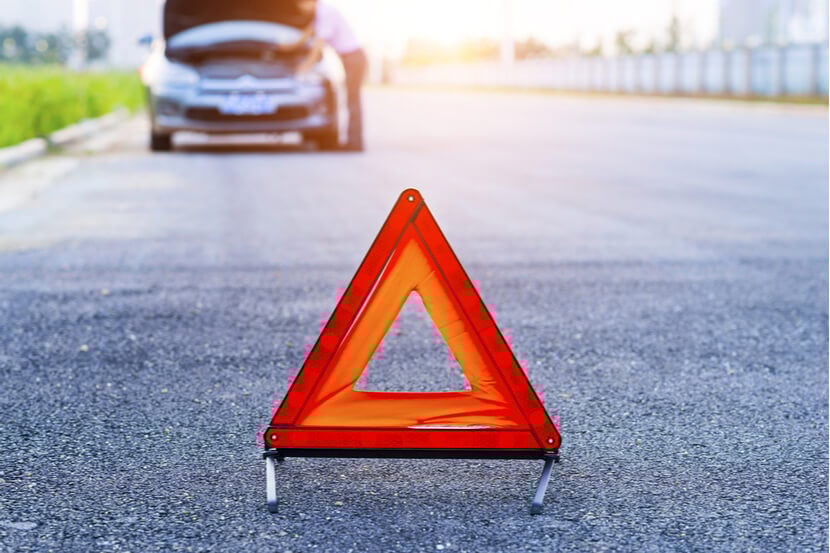
  •  Keep warm clothes, umbrellas, a torch, a reflective triangle sign, first aid kit, jump leads, a spare tyre and high visibility jackets in your car - as well as your breakdown assistance details.
  • If you believe your car has a mechanical problem, pull over onto the hard shoulder before you begin slowing down, and then put your hazard warning lights on.
  • Get out of the car via the passenger door immediately, and stay well behind the safety barriers while you wait for professional help.

Don't wait until you break down to buy cover

While you may consider breakdown cover an unnecessary expense, this could prove a very costly decision, as no matter how well you look after your car and how carefully you drive, you cannot guarantee you will never break down.

If you do end up having to purchase a policy once you're stranded on the hard shoulder in need of help, you will end up paying a premium - so buy your breakdown cover in advance to ensure peace of mind on any journey.

(*) Department for Transport.

(**) Motorway Madness poll by Esure.